Do You Feel Guilty After Eating? 5 Tips to Reduce Food Guilt

POV: You finish lunch and immediately feel a wave of guilt wash over you. “I shouldn’t have eaten that.” “I was so bad.” “Why can’t I just have more control?” Or maybe you grab a slice of birthday cake, and before you even taste it, your mind is already calculating how you’ll “make up for it” tomorrow.
If this sounds familiar, you’re not alone. Food guilt is incredibly common and the truth is, feeling guilty after eating has NOTHING to do with a lack of willpower or discipline. It’s a learned response, shaped by years of diet culture messaging, food rules, and the false belief that your worth is somehow tied to what you eat.
In this post, we’ll explore what really causes food guilt, why it shows up even when you’re eating foods your body genuinely wants, and five practical tips to help you stop feeling guilty after eating and start rebuilding a peaceful relationship with food.
What Causes Food Guilt?
Food guilt doesn’t come out of nowhere. You don’t just wake up on a random Tuesday, order a donut and mocha latté at your favorite café, and then feel extreme guilt afterwards with the thought that you’re being “bad.” It’s a learned response, one that’s been carefully taught to us through years of dieting, “wellness” culture, and deeply ingrained societal beliefs about food and bodies. Let’s break down the most common causes so you can start recognizing where your food guilt is really originating.
Diet Culture Messaging & Influences
We’re surrounded by diet culture everywhere we look. Magazine covers promise “fat burning foods.” Tiktok influencers share “what I eat in a day” posts, and health blogs give us endless “this or that” lists.
Every diet, whether it’s Keto, Whole30, Clean Eating, or Intermittent Fasting, comes with its own set of rules about what you should and shouldn’t eat. And even if you’re not actively dieting, these messages get internalized. They teach you that some foods are the epitome of health while others are “bad,” “dangerous,” “toxic,” or something you need to “earn” or “burn off.” After years of this conditioning, it’s no wonder you feel guilty for eating foods that break these made-up rules.
You May Have Internalized Weight Stigma
Weight stigma is the discrimination and negative attitudes directed toward people based on their body size. And unfortunately, most of us have internalized these beliefs…meaning we’ve accepted the message that being in a larger body is bad, unhealthy, or something of which to be ashamed.
When you’ve internalized weight stigma, eating certain foods can trigger guilt because you fear they’ll cause weight gain. You might think, “If I eat this, I’ll gain weight, and gaining weight means I’m not healthy or will look bad.” This fear isn’t about the food itself, it’s about what you’ve been taught to believe about your body and your worth because of the society in which we live. Unlearning weight stigma is an important part of healing your relationship with food.
You Label Foods As “Good” or “Bad”
Food is morally neutral. That means a cookie isn’t “bad” and a salad isn’t “good.” Food is just food and it provides nourishment, energy, pleasure, and connection. It doesn’t have moral value, and eating it doesn’t make you a good or bad person.
But, as mentioned previously, diet culture has convinced us otherwise. We use language like “I was so ‘good’ today, I had a salad for lunch” or “I was so ‘bad’ and ate pizza for dinner.” Eating the “bad” food makes you feel like you’ve done something wrong, even though you’ve simply nourished your body. This black-and-white thinking fuels guilt and shame and keeps you stuck in a guilt cycle that, in reality, does far more harm than good.
You Might Be Not Eating Enough
This one surprises people, but not eating enough throughout the day is one of the biggest triggers of food guilt. When you’re dieting, restricting calories, or simply not eating enough to meet your body’s needs, your body fights back: and it should, it’s simply trying to keep you alive.
Quick biology lesson: when you’re underfed, your body cranks up cravings for quick energy, usually in the form of higher-calorie, higher-carb foods. This is biology, not a lack of willpower. Your body is literally trying to get the energy it needs to function and thrive. But because diet culture has taught you that wanting these foods is “bad” or a sign of being “out of control,” you feel guilty when you finally give in and eat them, often in larger amounts than you would have if you’d been eating enough all along. This pattern can even lead to binge eating or develop into binge eating disorder if it continues over time.
You May Be Restricting Certain Foods/Food Groups
Ok, so if you’re like “Lea, I’m eating enough so I don’t understand why am I still experiencing guilt after eating certain foods,” I hear you. Even if you’re eating enough calories overall, restricting specific foods or entire food groups can trigger guilt. When you tell yourself you “can’t” have bread, sugar, dairy, or any other food/food group, you create a sense of deprivation. And deprivation doesn’t just go away…it builds.
Eventually, you’ll eat the restricted food (because restriction isn’t sustainable), and when you do, the guilt floods in telling you that you’re a failure. You might also find yourself eating more of it than you would have if you would have allowed yourself to have it all along.
Here’s what’s actually happening: the restriction itself is creating intense cravings and overeating. It’s not that you lack control, it’s that your body and brain are reacting to being deprived. When you finally “allow” yourself the forbidden food, of course you’re going to want a lot of it. That’s a normal response to restriction, not a character flaw.

How to Stop Feeling Guilty After Eating: 5 Tips
Tip #1: Explore Your Food Beliefs
The first step in reducing food guilt is getting curious about where your beliefs around food actually come from. Most of the rules people follow are unfortunately things they’ve picked up from diets, family, friends, media, or diet culture.
Start by asking yourself some reflective questions:
- What foods do I feel “bad” and/or guilty for eating? Why do I think that is?
- Where did I learn that certain foods are “bad” or “off-limits”?
- What would happen if I gave myself permission to eat this food without judgment?
- Am I following a food rule because it genuinely feels good for my body, or because I think I “should?”
- What messages about food and bodies did I grow up hearing?
- If I could eat without guilt, what would that look like?
Writing down your answers can help you see patterns and identify beliefs that might not actually serve you.
Tip #2: Eat Enough Food In General
This might sound too simple, but one of the most effective ways to reduce food guilt is to actually eat enough throughout the day. When your body is consistently well-nourished with balanced meals and snacks, you’re far less likely to experience intense cravings or feel out of control around food.
I see this pattern all the time with patients: they skip breakfast, have a tiny salad for lunch at their desk because they’re busy or trying to “be good,” and then come home absolutely starving. By dinnertime, they’re so hungry that they eat quickly, eat past fullness signals, and often reach for higher-calorie, higher-carb foods because that’s what their body is desperately craving for quick energy. Then the guilt kicks in, and they blame themselves for lacking willpower.
But this isn’t a willpower problem, it’s a not-eating-enough problem.
When you stop dieting and start eating consistent, balanced meals throughout the day, your blood sugar stays stable, your energy is more even, and those intense “I need to eat everything right now” feelings become much less common. You’re also way less likely to feel guilty because you’re eating in a way that actually honors your body’s needs.
Tip #3: Challenge Non-Preferred Foods
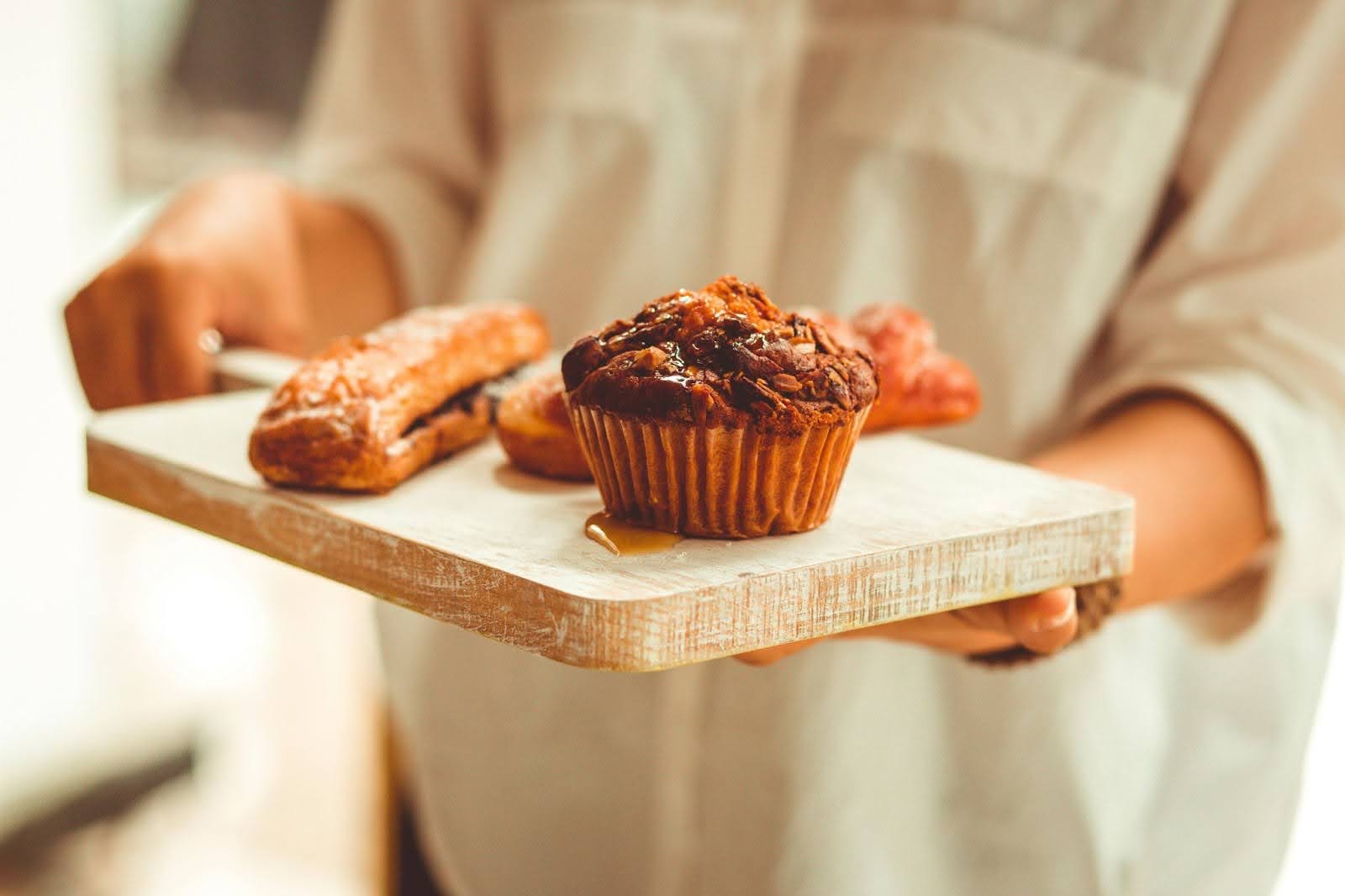
You know those foods you avoid because they make you feel anxious or guilty? The ones you tell yourself you “shouldn’t” have or can only eat on special occasions? Those are your non-preferred foods, and actively working with them is one of the most powerful ways to reduce food guilt.
The goal here isn’t to force yourself to eat foods you don’t enjoy. It’s about gently re-introducing foods you do want but have been restricting because of fear or guilt.
Start small. Pick one non-preferred food and practice having it in a calm, intentional way. Maybe it’s having a piece of chocolate after lunch, keeping bread in the house, or ordering the pasta you actually want instead of the salad you think you “should” get.
The more you practice eating these foods without restriction, the more neutral they become. Over time, you’ll notice that the guilt lessens, the food loses its power, and you can make choices based on what you actually want, not what diet culture says you’re allowed to have.
Tip #4: Embrace Balance Because All Foods Fit
Balance means recognizing that all foods fit into a healthy, sustainable way of eating.
Some meals will be more nourishing in a traditional sense: packed with fiber, protein, healthful fats, healthful carbs, and veggies. Other meals will be more about convenience, comfort, or pure enjoyment. And both are valuable. Both serve a purpose.
When you actually believe that all foods fit, you stop letting food control your thoughts. You stop feeling like you need to compensate or restrict after eating certain foods. You start to see food as something that supports your life in many different ways, not just physically, but emotionally and socially too. How powerful is that?!
This shift takes time, but it’s one of the most freeing parts of healing your relationship with food.
Tip #5: Work With An Anti-Diet Dietitian
If food guilt is something you’ve been struggling with for a long time, working with an anti-diet dietitian can make a huge difference. Having professional support helps you unpack the beliefs and patterns keeping you stuck, and gives you personalized guidance as you rebuild trust with food and your body.
If you’re ready to dive deeper into this work, I’d love to support you. My Introduction to Intuitive Eating self-paced course is designed to help you break free from dieting, reconnect with your body, and finally feel “normal” around food again. Learn more about the course here.

Frequently Asked Questions
If you still have questions about food guilt, you’re not alone. Here are some of the most common ones I hear:
How common is it to feel guilt around eating?
Feeling guilty after eating is common. Food guilt affects so many people, especially those who’ve been exposed to diet culture, which is pretty much everyone.
Is it an eating disorder if you feel guilty after eating?
Not necessarily. Food guilt often exists on its own as a result of diet culture and internalized food rules. However, persistent guilt after eating can be a symptom of disordered eating or an eating disorder. If the guilt is intense, frequent, or significantly impacting your life, it’s worth talking to a professional who specializes in eating disorders.
Why do I feel guilty after eating “too much?”
Feeling guilty after eating past fullness often comes from the belief that you’ve done something “wrong” or “lost control.” But eating more than your body needs in one sitting is a normal human experience; it happens to everyone. The guilt comes from diet culture telling you that you should always eat the “right” amount, when in reality, your eating will naturally vary from meal to meal and day to day.
Why do certain food choices make me feel more guilty than others?
Some foods (like cookies, pizza, or ice cream) carry more guilt because you’ve been told over and over that they’re “bad” and/or “unhealthy.” Foods that are higher in sugar, fat, or calories have been demonized by diet culture for years. So the guilt you feel isn’t really about the food, it’s about all the negative messages you’ve been told.
Final Thoughts: Why Do I Feel Guilt After Eating?
Food guilt is exhausting. It takes up mental space, steals your joy, and keeps you disconnected from your body. But here’s what I want you to remember: the guilt isn’t your fault, and you don’t have to live with it forever.
Making peace with food takes time, patience, and unlearning a lot of what diet culture has taught you. However, it’s absolutely possible. You can indeed get to a place where eating feels “normal” again: where you trust your body, enjoy your meals without overthinking, let go of food rules, and stop carrying shame about what’s on your plate.
If you’re ready to start that journey, my Introduction to Intuitive Eating Course is here to guide you every step of the way. You’ll learn how to let go of the diet mentality, reconnect with your body’s signals, and build a foundation of self-compassion that makes food freedom sustainable.
Click here to learn more and get started. You deserve to eat without guilt.