How to Respond to Body Comments & Diet Talk
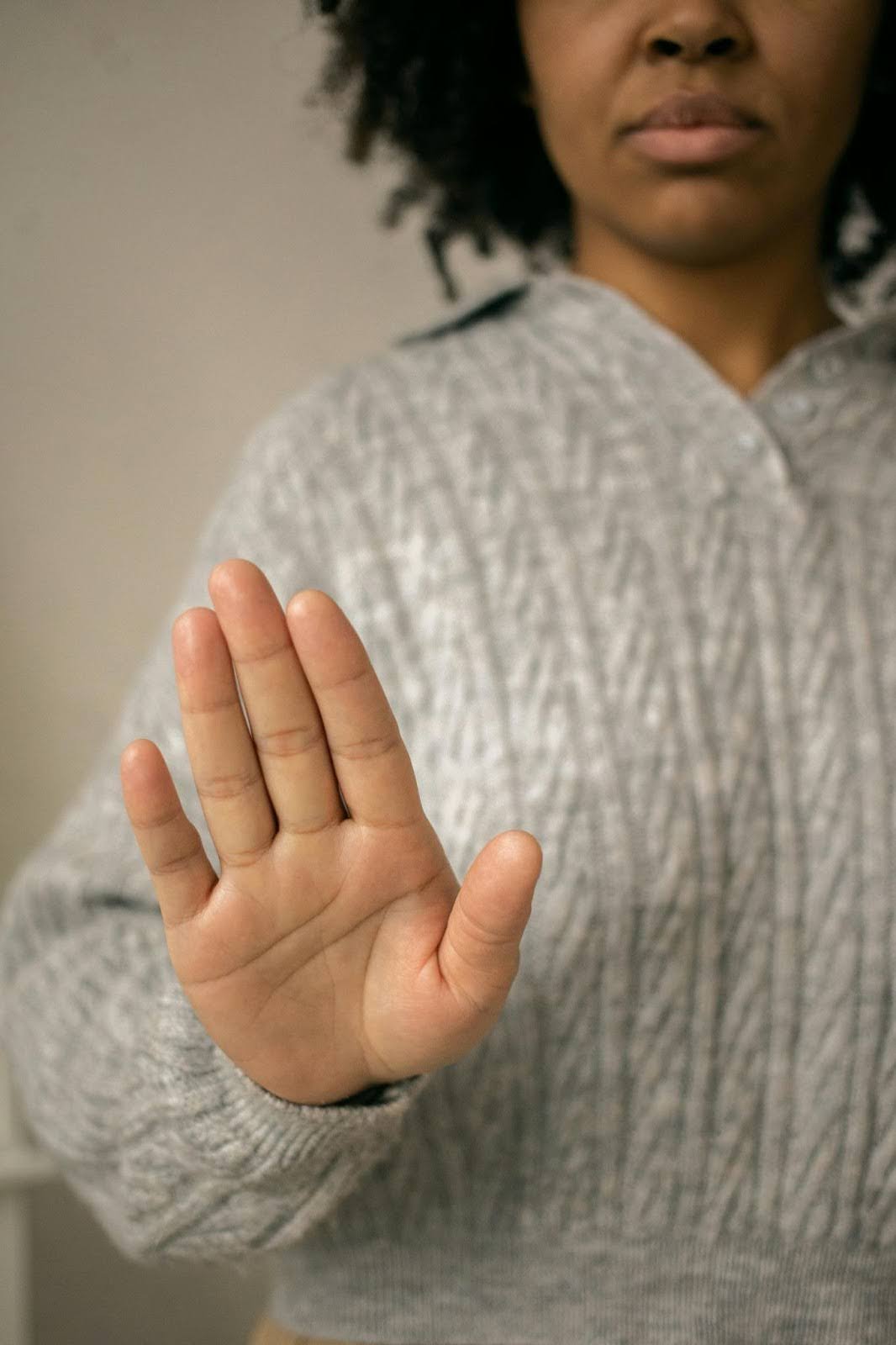
The holidays are supposed to be about connection, celebration, and maybe some really good food. But for a lot of people, they’re also about something way less fun: unsolicited comments about your body, what’s on your plate, and whether or not you’ve “been good” lately.
“You look like you’ve lost weight!” “Are you sure you want seconds?” “OMG did you hear about this new diet?”
If you’ve ever felt your stomach drop at the dinner table because someone decided to comment on your body or food choices, you’re not alone. And if you’ve ever wished you had the perfect thing to say back, this post is for you.
Whether you’re navigating eating disorder recovery, working on intuitive eating, or just TIRED of diet culture showing up at every family gathering, you deserve to protect your peace. And that starts with knowing how to respond when someone crosses a boundary.
In this post, I’ll break down why people make these comments, why they’re harmful (even when they’re meant as compliments), and most importantly, how to respond in a way that protects your mental health and sets boundaries without burning bridges (unless that’s what you want to do of course). Let’s dive in.
Why Do People Make Unwanted Food and Body Comments?
Honestly, most people aren’t trying to be harmful when they comment on your body or food choices. But that doesn’t make it okay. So why do they do it?
Mostly because diet culture taught them to.
We live in a world that’s obsessed with bodies, weight, and food. Diet culture has convinced us that:
- Talking about weight loss is a compliment
- Commenting on what someone eats is “caring”
- Judging food as “good” or “bad” is normal
- Smaller bodies are always better
So when your aunt says, “You look great! Did you lose weight?” she might genuinely think she’s being nice. When your uncle comments on your second plate, he might think he’s being helpful. When your mom talks about starting a new diet, she’s just repeating what she’s been told her whole life.
It’s also a way to cope with their own discomfort.
A lot of people project their own insecurities onto others. When someone comments on your food or body, it’s often because they’re uncomfortable with their own eating habits or body image. Criticizing someone else’s choices can feel like a way to reassure themselves that they’re “doing it right.”
And sometimes, it’s just a habit. In many families and social circles, body and food talk is just…what people do. It’s how they connect, bond, or fill awkward silence. They might not even realize they’re doing it.
Regardless, you’re allowed to set boundaries. You’re allowed to protect your peace. And you’re allowed to push back, even when someone “means well.”
How are Body Comments Harmful (especially for those with an eating disorder)?
Body comments aren’t just super annoying, they can be genuinely harmful, especially if you’re navigating an eating disorder, disordered eating, or working to heal your relationship with food and your body.
Here’s why:
They can trigger disordered behaviors.
For someone in eating disorder recovery, a seemingly innocent comment like “You look healthy!” can be interpreted as “You’ve gained weight.” And that can spiral into:
- Restriction
- Body checking
- Increased anxiety around food
- Relapse into old unsupportive eating disorder behaviors
Even compliments about weight loss can be dangerous. If someone praises you for losing weight (especially if it was unintentional due to stress, illness, or disordered eating), it can reinforce the belief that smaller = better, and make recovery feel even harder.
They ignore the mental and emotional work you’re doing.
Recovery isn’t about how your body looks. It’s about rebuilding trust with food, challenging diet culture, and learning to exist in your body without shame. But when people focus on your appearance, they’re completely missing the point. And that can feel invalidating, isolating, and just plain frustrating.
They assume weight or food choices equal health.
Not everyone who loses weight is healthier, and not everyone who gains weight is unhealthy. Body comments flatten the complexity of health into a single, visible factor, and that’s not only inaccurate, it’s harmful.
They can damage your relationship with the person making the comment.
When someone you love makes a triggering comment, it can create distance. You might start avoiding family gatherings, skipping meals with certain people, or feeling uncomfortable around those who “mean well” but don’t understand the impact of their words.
Why Body Compliments Can Be Just As Harmful
“You look amazing! Did you lose weight?” It sounds nice, but it can actually do a lot of harm. When you compliment someone’s weight loss, you’re telling them that smaller is better, and that’s exactly what people in recovery are trying to stop believing.
You also don’t know how they lost that weight. Maybe they’ve been restricting food, over-exercising, or dealing with stress or illness. Your compliment might accidentally encourage behaviors that are hurting them.

Here Are 5 Ways to Respond to Body Comments and Diet Talk This Holiday Season
Navigating body comments and diet talk is hard, especially during the holidays when emotions are already running high. But here’s what I want you to know: you’re allowed to advocate for yourself. Here are five practical strategies you can use to protect your peace.
Set Boundaries and Be Direct
Straight, clear, and to the point! Setting a boundary means clearly and directly communicating what’s not okay. This approach might not feel the easiest if you’re just starting to speak up, but it’s one of the most effective ways to protect your mental health. You don’t need to explain yourself or justify why, you’re simply stating what works for you.
Examples:
- “Honestly, I don’t like talking about my body or weight and would appreciate it if you don’t make comments like that anymore.”
- “Please don’t comment on what I’m eating. It’s not helpful for me.”
- “I know you mean well, but comments about my body aren’t something I’m open to discussing.”
- “I’d really appreciate it if we could keep diet talk off the table today.”
- “Look, I understand you mean well but let’s avoid discussing my food choices.”
Redirect the Conversation
Sometimes the easiest way to handle an uncomfortable comment is to acknowledge it briefly and then steer the conversation somewhere else. This keeps things light without getting into a confrontation.
Examples:
- “Thanks, but I’d rather hear about what’s new with you! How’s work going?”
- “I appreciate that, but honestly, I’m more excited to talk about your recent trip. Tell me about it!”
- “You know what? I’m trying not to focus on that stuff. Have you seen any good shows lately?”
- “Let’s not talk about diets today, tell me about what you’ve been reading instead.”
- “I’d love to just enjoy the meal. So, what’s everyone’s highlight from this year?”
Educate
If you feel safe and have the energy, you can gently educate the person about why their comment isn’t helpful. Keep it brief and non-confrontational, this isn’t about lecturing, just offering a different perspective.
Examples:
- “Actually, I’m learning that commenting on people’s bodies can be really harmful, even when it’s meant as a compliment.”
- “Did you know that the diet industry makes $72 BILLION dollars a year profiting off our insecurities? I’m not buying into that anymore, I’m working on sustainable habits instead.”
- “I’m working with a dietitian who’s taught me that all foods fit, there is space for all foods in your diet.”
- “Did you know that diets actually fail about 95% of the time? I’m focusing on listening to my body instead and it’s been working well for me.”
Use “I” Statements
“I” statements help you express how a comment makes you feel without blaming or accusing the other person. This approach is less likely to put someone on the defensive and can open the door to understanding.
Examples:
- “I feel really uncomfortable when people comment on my body. I’d prefer we talk about other things.”
- “I’m working really hard on my relationship with food, and honestly, comments like that make it harder for me.”
- “I know you didn’t mean any harm, but I don’t like when people talk about my food choices.”
Know When to Disengage
Sometimes, no matter what you say, the person won’t stop. And that’s okay, you don’t have to keep engaging. You’re allowed to step away, change the subject one more time, or simply remove yourself from the situation.
Examples:
- “I think we’re just going to have to agree to disagree on this one. I’m going to grab some air.”
- “I have to use the bathroom. Excuse me.”
- “I need a break from this topic. I’ll catch up with you later.”
- “I’ve said what I need to say. I’m going to go check in with [another person/get a drink/step outside].”
Frequently Asked Questions
Here are some of the most common questions patients have about navigating body comments and diet talk during the holidays.
Why do people comment on my body?
Most people comment on bodies because diet culture taught them it’s normal. They might think they’re giving a compliment, showing concern, or just making normal conversation. Often, it’s also a reflection of their own insecurities about food and bodies.
How can body comments affect those who are in eating disorder recovery?
Body comments can trigger disordered thoughts and behaviors, even when they’re meant as compliments. For someone in recovery, a comment like “You look healthy!” can be heard as “You’ve gained weight,” which can lead to restriction, skipping meals, body checking, or relapse. These comments also reinforce the harmful belief that worth is tied to appearance.
What should I do if a family member won’t stop making diet talk comments even after I’ve set boundaries?
If someone continues after you’ve clearly set a boundary, you have every right to disengage. You can leave the conversation, change the subject again, or physically remove yourself from the situation. You’ve done your part by communicating your needs and if they choose not to respect that, protecting your peace becomes the priority.
Is it okay to leave a situation if the body comments or diet talk become too triggering?
Absolutely. Your mental health is more important than staying in an uncomfortable situation to keep the peace. You don’t owe anyone an explanation, you can simply excuse yourself, step outside for air, or leave the gathering entirely, if you need to. Taking care of yourself is never rude.
What if someone gets offended or upset when I set a boundary around body or food talk?
Their discomfort is not your responsibility. Setting a boundary is about protecting your well-being, and if someone is upset by that, it usually says more about them than it does about you. You can acknowledge their feelings without backing down: “I understand this might feel uncomfortable for you, but this boundary is important to me.”

You Deserve to Enjoy the Holidays
The holidays don’t have to be a minefield of body comments and diet talk. You’re allowed to set boundaries, protect your peace, and prioritize your mental health, even if that means disappointing someone or making things a little awkward. Remember, you’re not being rude or difficult. You’re taking care of yourself. And that’s something to be proud of.
If you’re navigating eating disorder recovery, working on intuitive eating, or just trying to heal your relationship with food and your body, you don’t have to do it alone.
Click the button below to book a free discovery call with me and we’ll talk about where you are, where you want to be, and how we can work together to get you there!
Book Your Discovery Call

The holidays are supposed to be joyful. But if you’ve been caught up in diet culture, they can feel like a minefield of food rules, guilt, and stress.
Maybe you’re already dreading the comments that Aunt Karen makes about your body at family gatherings. Or maybe you’re worried about “losing control” around holiday foods.
Here’s the thing: the holidays don’t have to be this way.
Intuitive eating can help you navigate the season with more ease, presence, and self-compassion. And journaling is one of the most powerful tools to help you process the thoughts, emotions, and beliefs that come up around food and your body during this time.
That’s why I’ve put together 50 holiday intuitive eating journal prompts to support you this season. Whether you’re brand new to intuitive eating or you’ve been practicing for a while, these prompts will help you reflect, reconnect with your body, and challenge the diet culture noise that tends to get louder around the holidays.
What is Intuitive Eating?
Intuitive eating is an evidence-based approach to eating that helps you reconnect with your body’s natural hunger and fullness cues, ditch diet culture, and build a peaceful relationship with food. It was created by dietitians Evelyn Tribole and Elyse Resch in 1995, and it’s based on 10 core principles. Instead of following external rules about what, when, or how much to eat, intuitive eating teaches you to listen and trust your body again.
Principles of Intuitive Eating
Here’s a quick overview of the 10 principles:
- Reject the Diet Mentality: Let go of the idea that dieting will fix your life, and recognize that diet culture has set you up to fail.
- Honor Your Hunger: Feed your body adequately so you don’t trigger intense hunger that leads to overeating.
- Make Peace with Food: Give yourself unconditional permission to eat all foods to avoid feelings of deprivation and binge eating.
- Challenge the Food Police: Silence and question the inner voice that labels foods as “good” or “bad” and makes you feel guilty for eating.
- Discover the Satisfaction Factor: Eat foods you actually enjoy in a pleasant environment so you feel truly satisfied.
- Feel Your Fullness: Tune into your body’s signals (hunger cues and fullness cues) that tell you when you’re comfortably full.
- Cope with Your Emotions with Kindness: Find ways to deal with your feelings that don’t involve using food as your only coping mechanism.
- Respect Your Body: Accept your unique body and treat it with dignity, regardless of its size or shape.
- Movement – Feel the Difference: Move your body in ways that feel good, rather than punishing yourself with exercise.
- Honor Your Health with Gentle Nutrition: Make food choices that support your health, honor your culture, and taste good – without aiming for perfection.
Benefits of Journaling
Journaling is one of those things that sounds simple but can be seriously powerful when it comes to working through your relationship with food and your body.
Here’s why it helps:
It helps you process your thoughts and emotions. The holidays can bring up a lot of feelings like stress, anxiety, excitement, nostalgia. Writing things down gives you space to sort through what you’re actually feeling instead of keeping it inside or turning to food to cope.
It increases self-awareness. When you journal regularly, you start to notice patterns in your eating habits, thoughts, and triggers. Maybe you realize you always feel guilty after eating dessert at family dinners, maybe you notice that you think about food way more than you thought you do, or that you skip meals when you’re stressed.
It challenges unhelpful beliefs. Putting your thoughts on paper makes it easier to see when diet culture is talking. You can question those beliefs, reframe them, and start building new, healthier thought patterns.
It’s a judgment-free space. Your journal doesn’t critique you. It’s a safe place to be honest about your struggles, fears, and wins without worrying about what anyone else thinks.
It tracks your progress. Looking back at old journal entries can show you how far you’ve come, even when it doesn’t feel like you’re making progress at the moment.
How to Use These Prompts
There’s no “right” or “wrong” way to use these prompts. Seriously. The whole point is to make this work for YOU.
That said, here are some ideas to get you started:
Pick what resonates. You don’t have to go in order or use every single prompt. Scroll through, see what catches your attention, and start there. If a prompt makes you feel something (curiosity, resistance, emotion) that’s usually a good sign it’s worth exploring.
Set aside time. Even just 5 to 10 minutes can make a difference. Maybe it’s with your morning coffee, before bed, or during a quiet moment in your day. Consistency helps, but don’t stress if you miss a day (or a week). Just pick it back up when you’re ready. Some people find it helpful to literally block out time in their calendar, just like they would for a meeting or appointment.
Be honest. This is your private space. No one else has to see what you write. Let yourself be real about what you’re thinking and feeling, even if it’s messy or uncomfortable.
Don’t overthink it. You’re not writing a college essay. Just get your thoughts out of your head and onto the page.
Revisit prompts. Your answers might change over time, and that’s totally okay. Feel free to come back to the same prompt weeks or months later and see how your perspective has changed.
Ready? Let’s get into the prompts.

50 Holiday Intuitive Eating Journal Prompts to Explore
Pick the ones that speak to you and take your time working through them:
Prompts for Exploring Diet Culture
- What diet culture messages do I hear most often during the holidays, and where are they coming from?
- How has diet culture shaped the way I think about holiday foods?
- What food rules do I still follow during the holidays, and why do I think I follow them?
- If diet culture didn’t exist, how would my holiday eating look different?
- What would it feel like to give myself full permission to enjoy holiday meals and honor my cravings without guilt?
- How do I talk to myself before and after eating holiday foods? Is that voice kind or critical?
- What beliefs about “earning” or “burning off” food show up for me during the holidays?
- How does diet culture impact the way I show up at family gatherings and/or holiday parties?
- What would it mean to reject diet culture this holiday season, even in small ways?
- Are there any holiday foods that I avoid or limit because I believe them to be “bad” or “unhealthy?”
Prompts for Exploring Hunger and Fullness Cues
- How do I know when I’m physically hungry versus emotionally hungry during the holidays?
- What does comfortable fullness feel like in my body right now?
- Do I give myself permission to eat when I’m hungry before holiday events, or do I restrict calories in preparation for a holiday meal?
- How does my hunger change during the busy holiday season, and am I honoring it?
- What happens when I eat past fullness at a holiday meal? What thoughts come to mind? How do I respond to myself?
- Am I eating enough throughout the day?
- What does it feel like to pause mid-meal and check in with my hunger and fullness?
- How can I tune into my body’s hunger signals even when I’m distracted or busy during the holidays?
- What fear or belief keeps me from trusting my body’s hunger cues during this season?
- How would it feel to eat until I’m satisfied, not until I’m overly full or still hungry?
Prompts for Exploring Body Image
- How do I feel about my body as the holidays approach?
- What negative thoughts about my body come up most often during this season?
- How does seeing family or friends impact the way I see my body?
- What would it look like to show my body respect, even if I don’t love it right now?
- How do I want to feel in my body during the holidays, and what would support that?
- What stories have I been told about my body that I’m ready to let go of?
- How does comparing my body to others affect my holiday experience?
- How can I reduce body checking during this season?
- How do the clothes I wear impact the way I feel in my body?
- What does my body deserve from me this holiday season?
Prompts for Navigating Social Situations
- What food or body comments from family or friends do I dread hearing most during the holidays?
- How do these comments make me feel, and why do they have so much power over me?
- What boundaries do I need to set around food and body talk at holiday gatherings?
- How can I respond to unsolicited diet advice or comments about my eating or body in a way that feels authentic to me?
- What would it look like to politely but firmly shut down diet talk at the dinner table?
- Do I feel anxious about eating in front of others during the holidays? If so, why?
- What stories am I telling myself about what others think when they watch me eat?
- How can I remind myself that other people’s opinions about my food choices don’t define me?
- What support do I need from loved ones to feel safe and comfortable at holiday gatherings?
- Do I need extra support from a therapist or dietitian during this time?
Prompts to Cultivate Kindness During This Season
- What does self-compassion look like for me during the holidays?
- How can I be kinder to myself when I feel guilty about food?
- What do I need to hear when I’m struggling with food or body image during the holidays?
- How can I give myself grace if I overeat or eat past comfortable fullness?
- What would I say to a friend who was feeling the way I’m feeling right now?
- How can I create space for rest and joy during the busy holiday season?
- What boundaries do I need to set to protect my mental health during the holidays?
- How can I honor my needs, even when others don’t understand them?
- What brings me genuine joy during the holidays that has nothing to do with food or my body?
- How can I help others during the holiday season?

Frequently Asked Questions
How often should I use these journal prompts?
There’s no rule, use them as often as feels helpful to you. Some people journal daily, others a few times a week, and some just when they need support working through something specific.
Do I have to answer every prompt?
Absolutely not. Pick the prompts that resonate with you or feel relevant to what you’re experiencing right now. You can always come back to others later.
What if journaling brings up uncomfortable emotions?
That’s okay and can be part of the healing process. If it feels overwhelming, take breaks, be gentle with yourself, and consider working with a therapist or dietitian who specializes in intuitive eating for additional support.
Can I use these prompts outside of the holiday season?
Yes! While these are designed with the holidays in mind, most of them apply year-round and can support your intuitive eating journey anytime.
Ready to make peace with food this holiday season?
The holidays don’t have to be stressful when it comes to food and your body. With the right tools and support, you can actually enjoy this season without the guilt, anxiety, or obsession that diet culture teaches us to feel.
These journal prompts are a great starting point, but if you’re ready to go deeper, my Introduction to Intuitive Eating Course is here to guide you. Inside the course, you’ll learn exactly what we’ve been talking about: how to reject diet mentality, reconnect with your hunger and fullness signals, challenge food rules, and build real, lasting food freedom.
This is your chance to give yourself the gift of food freedom this year. Imagine heading into the new year feeling at peace with food, trusting your body, and finally letting go of the diet cycle for good.
Click here to learn more about the course and start your journey toward a healthier, more peaceful relationship with nourishment.

POV: You finish lunch and immediately feel a wave of guilt wash over you. “I shouldn’t have eaten that.” “I was so bad.” “Why can’t I just have more control?” Or maybe you grab a slice of birthday cake, and before you even taste it, your mind is already calculating how you’ll “make up for it” tomorrow.
If this sounds familiar, you’re not alone. Food guilt is incredibly common and the truth is, feeling guilty after eating has NOTHING to do with a lack of willpower or discipline. It’s a learned response, shaped by years of diet culture messaging, food rules, and the false belief that your worth is somehow tied to what you eat.
In this post, we’ll explore what really causes food guilt, why it shows up even when you’re eating foods your body genuinely wants, and five practical tips to help you stop feeling guilty after eating and start rebuilding a peaceful relationship with food.
What Causes Food Guilt?
Food guilt doesn’t come out of nowhere. You don’t just wake up on a random Tuesday, order a donut and mocha latté at your favorite café, and then feel extreme guilt afterwards with the thought that you’re being “bad.” It’s a learned response, one that’s been carefully taught to us through years of dieting, “wellness” culture, and deeply ingrained societal beliefs about food and bodies. Let’s break down the most common causes so you can start recognizing where your food guilt is really originating.
Diet Culture Messaging & Influences
We’re surrounded by diet culture everywhere we look. Magazine covers promise “fat burning foods.” Tiktok influencers share “what I eat in a day” posts, and health blogs give us endless “this or that” lists.
Every diet, whether it’s Keto, Whole30, Clean Eating, or Intermittent Fasting, comes with its own set of rules about what you should and shouldn’t eat. And even if you’re not actively dieting, these messages get internalized. They teach you that some foods are the epitome of health while others are “bad,” “dangerous,” “toxic,” or something you need to “earn” or “burn off.” After years of this conditioning, it’s no wonder you feel guilty for eating foods that break these made-up rules.
You May Have Internalized Weight Stigma
Weight stigma is the discrimination and negative attitudes directed toward people based on their body size. And unfortunately, most of us have internalized these beliefs…meaning we’ve accepted the message that being in a larger body is bad, unhealthy, or something of which to be ashamed.
When you’ve internalized weight stigma, eating certain foods can trigger guilt because you fear they’ll cause weight gain. You might think, “If I eat this, I’ll gain weight, and gaining weight means I’m not healthy or will look bad.” This fear isn’t about the food itself, it’s about what you’ve been taught to believe about your body and your worth because of the society in which we live. Unlearning weight stigma is an important part of healing your relationship with food.
You Label Foods As “Good” or “Bad”
Food is morally neutral. That means a cookie isn’t “bad” and a salad isn’t “good.” Food is just food and it provides nourishment, energy, pleasure, and connection. It doesn’t have moral value, and eating it doesn’t make you a good or bad person.
But, as mentioned previously, diet culture has convinced us otherwise. We use language like “I was so ‘good’ today, I had a salad for lunch” or “I was so ‘bad’ and ate pizza for dinner.” Eating the “bad” food makes you feel like you’ve done something wrong, even though you’ve simply nourished your body. This black-and-white thinking fuels guilt and shame and keeps you stuck in a guilt cycle that, in reality, does far more harm than good.
You Might Be Not Eating Enough
This one surprises people, but not eating enough throughout the day is one of the biggest triggers of food guilt. When you’re dieting, restricting calories, or simply not eating enough to meet your body’s needs, your body fights back: and it should, it’s simply trying to keep you alive.
Quick biology lesson: when you’re underfed, your body cranks up cravings for quick energy, usually in the form of higher-calorie, higher-carb foods. This is biology, not a lack of willpower. Your body is literally trying to get the energy it needs to function and thrive. But because diet culture has taught you that wanting these foods is “bad” or a sign of being “out of control,” you feel guilty when you finally give in and eat them, often in larger amounts than you would have if you’d been eating enough all along. This pattern can even lead to binge eating or develop into binge eating disorder if it continues over time.
You May Be Restricting Certain Foods/Food Groups
Ok, so if you’re like “Lea, I’m eating enough so I don’t understand why am I still experiencing guilt after eating certain foods,” I hear you. Even if you’re eating enough calories overall, restricting specific foods or entire food groups can trigger guilt. When you tell yourself you “can’t” have bread, sugar, dairy, or any other food/food group, you create a sense of deprivation. And deprivation doesn’t just go away…it builds.
Eventually, you’ll eat the restricted food (because restriction isn’t sustainable), and when you do, the guilt floods in telling you that you’re a failure. You might also find yourself eating more of it than you would have if you would have allowed yourself to have it all along.
Here’s what’s actually happening: the restriction itself is creating intense cravings and overeating. It’s not that you lack control, it’s that your body and brain are reacting to being deprived. When you finally “allow” yourself the forbidden food, of course you’re going to want a lot of it. That’s a normal response to restriction, not a character flaw.

How to Stop Feeling Guilty After Eating: 5 Tips
Tip #1: Explore Your Food Beliefs
The first step in reducing food guilt is getting curious about where your beliefs around food actually come from. Most of the rules people follow are unfortunately things they’ve picked up from diets, family, friends, media, or diet culture.
Start by asking yourself some reflective questions:
- What foods do I feel “bad” and/or guilty for eating? Why do I think that is?
- Where did I learn that certain foods are “bad” or “off-limits”?
- What would happen if I gave myself permission to eat this food without judgment?
- Am I following a food rule because it genuinely feels good for my body, or because I think I “should?”
- What messages about food and bodies did I grow up hearing?
- If I could eat without guilt, what would that look like?
Writing down your answers can help you see patterns and identify beliefs that might not actually serve you.
Tip #2: Eat Enough Food In General
This might sound too simple, but one of the most effective ways to reduce food guilt is to actually eat enough throughout the day. When your body is consistently well-nourished with balanced meals and snacks, you’re far less likely to experience intense cravings or feel out of control around food.
I see this pattern all the time with patients: they skip breakfast, have a tiny salad for lunch at their desk because they’re busy or trying to “be good,” and then come home absolutely starving. By dinnertime, they’re so hungry that they eat quickly, eat past fullness signals, and often reach for higher-calorie, higher-carb foods because that’s what their body is desperately craving for quick energy. Then the guilt kicks in, and they blame themselves for lacking willpower.
But this isn’t a willpower problem, it’s a not-eating-enough problem.
When you stop dieting and start eating consistent, balanced meals throughout the day, your blood sugar stays stable, your energy is more even, and those intense “I need to eat everything right now” feelings become much less common. You’re also way less likely to feel guilty because you’re eating in a way that actually honors your body’s needs.
Tip #3: Challenge Non-Preferred Foods
You know those foods you avoid because they make you feel anxious or guilty? The ones you tell yourself you “shouldn’t” have or can only eat on special occasions? Those are your non-preferred foods, and actively working with them is one of the most powerful ways to reduce food guilt.
The goal here isn’t to force yourself to eat foods you don’t enjoy. It’s about gently re-introducing foods you do want but have been restricting because of fear or guilt.
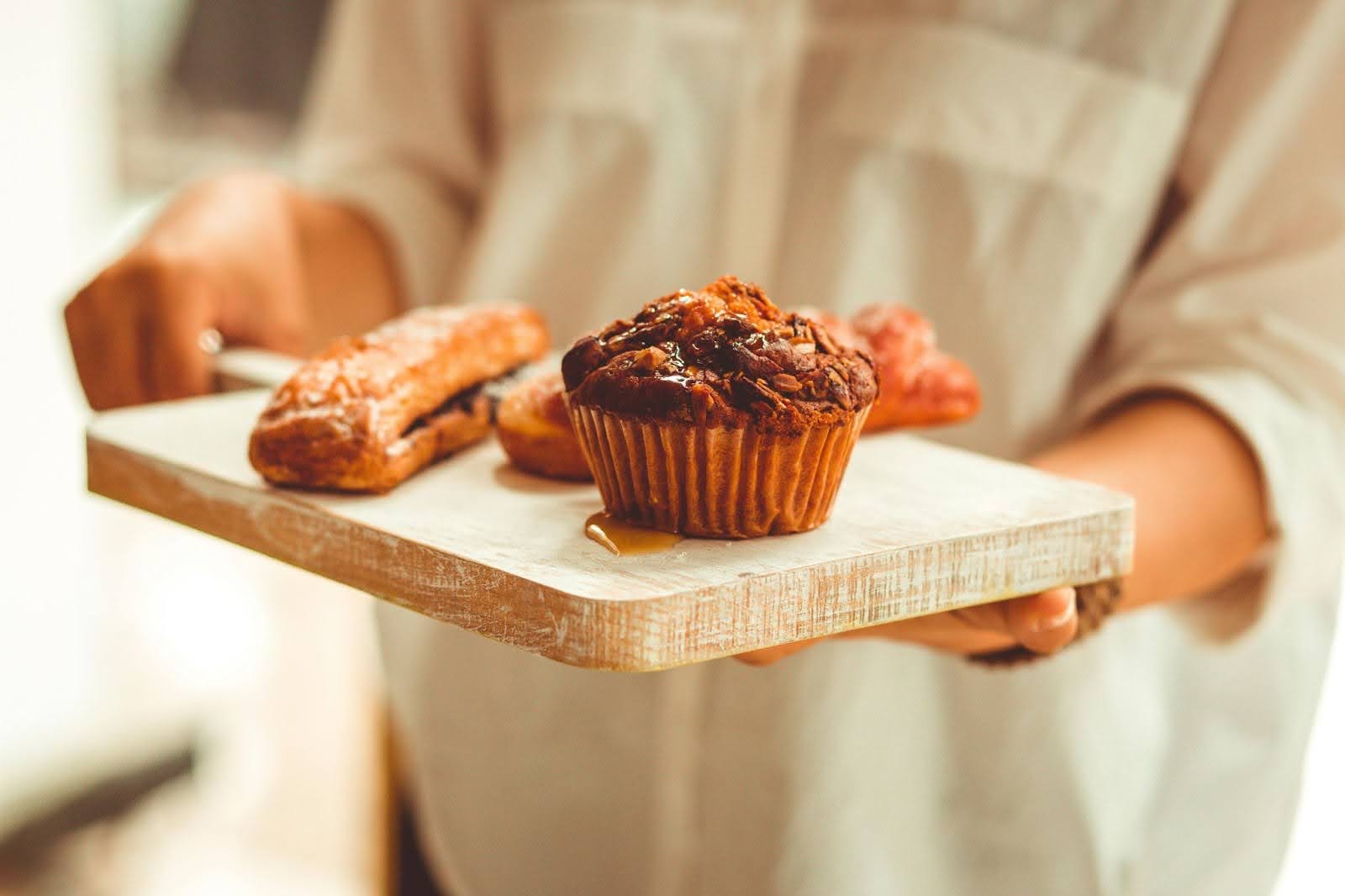
Start small. Pick one non-preferred food and practice having it in a calm, intentional way. Maybe it’s having a piece of chocolate after lunch, keeping bread in the house, or ordering the pasta you actually want instead of the salad you think you “should” get.
The more you practice eating these foods without restriction, the more neutral they become. Over time, you’ll notice that the guilt lessens, the food loses its power, and you can make choices based on what you actually want, not what diet culture says you’re allowed to have.
Tip #4: Embrace Balance Because All Foods Fit
Balance means recognizing that all foods fit into a healthy, sustainable way of eating.
Some meals will be more nourishing in a traditional sense: packed with fiber, protein, healthful fats, healthful carbs, and veggies. Other meals will be more about convenience, comfort, or pure enjoyment. And both are valuable. Both serve a purpose.
When you actually believe that all foods fit, you stop letting food control your thoughts. You stop feeling like you need to compensate or restrict after eating certain foods. You start to see food as something that supports your life in many different ways, not just physically, but emotionally and socially too. How powerful is that?!
This shift takes time, but it’s one of the most freeing parts of healing your relationship with food.
Tip #5: Work With An Anti-Diet Dietitian
If food guilt is something you’ve been struggling with for a long time, working with an anti-diet dietitian can make a huge difference. Having professional support helps you unpack the beliefs and patterns keeping you stuck, and gives you personalized guidance as you rebuild trust with food and your body.
If you’re ready to dive deeper into this work, I’d love to support you. My Introduction to Intuitive Eating self-paced course is designed to help you break free from dieting, reconnect with your body, and finally feel “normal” around food again. Learn more about the course here.

Frequently Asked Questions
If you still have questions about food guilt, you’re not alone. Here are some of the most common ones I hear:
How common is it to feel guilt around eating?
Feeling guilty after eating is common. Food guilt affects so many people, especially those who’ve been exposed to diet culture, which is pretty much everyone.
Is it an eating disorder if you feel guilty after eating?
Not necessarily. Food guilt often exists on its own as a result of diet culture and internalized food rules. However, persistent guilt after eating can be a symptom of disordered eating or an eating disorder. If the guilt is intense, frequent, or significantly impacting your life, it’s worth talking to a professional who specializes in eating disorders.
Why do I feel guilty after eating “too much?”
Feeling guilty after eating past fullness often comes from the belief that you’ve done something “wrong” or “lost control.” But eating more than your body needs in one sitting is a normal human experience; it happens to everyone. The guilt comes from diet culture telling you that you should always eat the “right” amount, when in reality, your eating will naturally vary from meal to meal and day to day.
Why do certain food choices make me feel more guilty than others?
Some foods (like cookies, pizza, or ice cream) carry more guilt because you’ve been told over and over that they’re “bad” and/or “unhealthy.” Foods that are higher in sugar, fat, or calories have been demonized by diet culture for years. So the guilt you feel isn’t really about the food, it’s about all the negative messages you’ve been told.
Final Thoughts: Why Do I Feel Guilt After Eating?
Food guilt is exhausting. It takes up mental space, steals your joy, and keeps you disconnected from your body. But here’s what I want you to remember: the guilt isn’t your fault, and you don’t have to live with it forever.
Making peace with food takes time, patience, and unlearning a lot of what diet culture has taught you. However, it’s absolutely possible. You can indeed get to a place where eating feels “normal” again: where you trust your body, enjoy your meals without overthinking, let go of food rules, and stop carrying shame about what’s on your plate.
If you’re ready to start that journey, my Introduction to Intuitive Eating Course is here to guide you every step of the way. You’ll learn how to let go of the diet mentality, reconnect with your body’s signals, and build a foundation of self-compassion that makes food freedom sustainable.
Click here to learn more and get started. You deserve to eat without guilt.
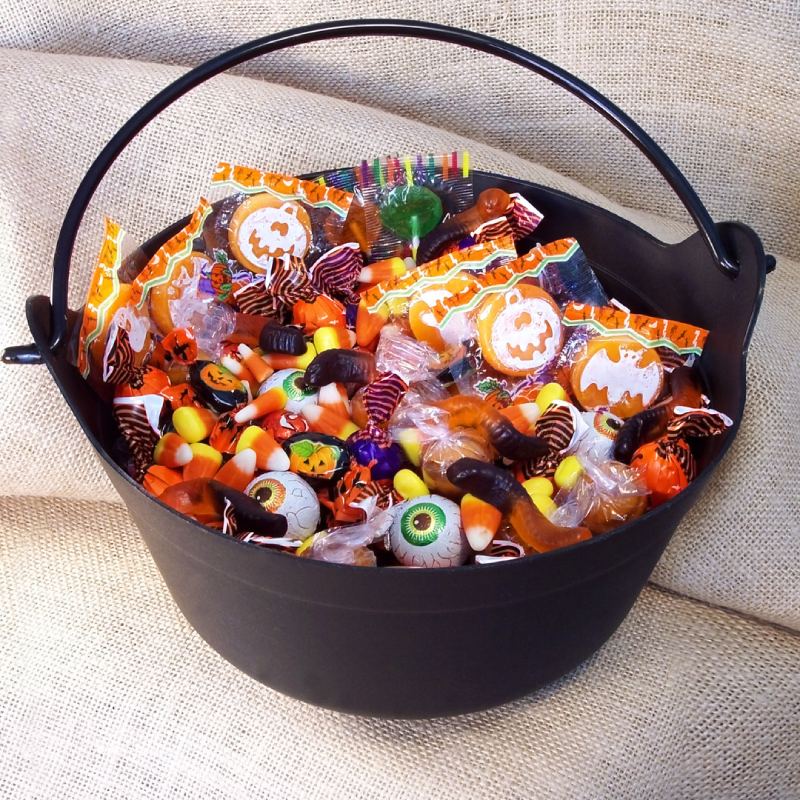
Halloween is supposed to be fun: costumes, cozy fall vibes, and yes, candy. But if you’re in eating disorder recovery or working to heal your relationship with food, this time of year can bring up a lot of anxiety around so-called “fear foods.”
You’re not alone if your inner food critic gets louder when the candy bowls come out. In this blog, we’re taking the fear out of Halloween foods by breaking down what “fear foods” actually are; exploring why they show up around this season; and sharing practical, compassionate strategies for challenging them without guilt, shame, or restriction.
What Are “Fear” Foods?
Fear foods are specific foods that trigger anxiety, guilt, or distress – often because diet culture has labeled them as “bad,” “unhealthy,” or “off-limits.” These aren’t just foods you dislike or foods you avoid for medical reasons. “Fear” foods are common among those who struggle with disordered eating, and they’re often the foods you may actually want but feel like you “shouldn’t” have. “Fear” foods can also be referred to and reframed as “non-prefered foods.”
They often come with disordered thoughts like:
“If I eat that, I’ll lose control.”
“That food will ruin my progress.”
“I shouldn’t eat that, it’s unhealthy.”
Over time, these thoughts can lead to avoidance behaviors and create painful, untrue beliefs about food. And yet, it’s not the food itself that’s harmful…it’s the fear, rules, and restriction wrapped around it.
If you’re working on healing your relationship with food, identifying your “fear” foods is often one of the first steps. Challenging those fears (with support!) can be a powerful way to rebuild trust in your body, neutralize food judgments, and create more freedom and flexibility in your eating.
“Fear” foods don’t have to hold power over you forever. With curiosity, support, and gentle exposure, it’s absolutely possible to take the fear out of food (yes, even Halloween candy).
Common “Fear” Foods
“Fear” foods vary from person to person and they can show up any time of year, but Halloween and Fall often bring a unique wave. Between candy aisles, cozy treats, and seasonal favorites, this time of year can feel especially overwhelming for those in eating disorder recovery or who are working on their relationship with food.
Some common “fear” foods:
- Bread and pasta
- Butter and oils
- Cheese and dairy
- Chips and fries
- Pizza
- Desserts
- Peanut butter
- “Sugary” cereals
- “Processed” snacks
- Soda or sweetened drinks
Some common “fear” foods that tend to spike anxiety during the Fall include:
- Halloween candy
- Fall-flavored treats: Muffins, breads, specialty coffees, cookies, and pie
- Cider doughnuts & baked goods
- Comfort foods like mashed potatoes, mac and cheese, and warm casseroles

Facing “Fear” Foods During Halloween
Step 1: Identify and Rank Your “Fear’ Foods
Begin by jotting down all the foods (or specific Halloween/Fall treats) you tend to avoid or limit because of fear, anxiety, or judgment. Once you have your list, rate each item on a scale of 1 to 10, where 1 is the least intimidating and 10 feels the most challenging.
Step 2: Create a Supportive Game Plan
Before challenging a “fear” food, take a few moments to plan the where, when, and who. Will you be at home or out? Alone or with someone supportive? The more specific you are, the more likely you’ll follow through. It can also be helpful to plan an activity or calming activity to follow the experience, such as journaling, calling a friend, or watching a comfort show. Bonus: share your plan with someone you trust for a little extra encouragement and accountability.
Step 3: Reintroduce Them One Small Step at a Time
Facing “fear” foods can feel overwhelming, especially if those fears have been ingrained in your brain for a long time. You might begin with just one new food per week, or even just a single bite at first, building up to more as your comfort grows. There’s no rush. In fact, trying to conquer too much too soon can backfire.
Step 4: Pause and Reflect
After challenging each “fear” food, carve out time to reflect. Ask yourself: what thoughts or negative emotions came up before, during, and after? What were my underlying fears about this food? Did anything I feared actually happen? How did my body feel? This self-reflection helps you collect real evidence that contradicts your old food fears and reminds your brain that it’s safe to try again. Maybe you’ll notice that you were able to stop when you felt satisfied, or that you didn’t even enjoy the food as much as you thought you would. Maybe it didn’t mess with your progress at all, and actually helped you feel more in control.
Step 5: Practice, Practice, Practice
Challenging a “fear” food once is a powerful first step, but repetition is key. To truly rewire your brain, you’ll need to face your “fear” foods several times. With each exposure, you’re gently teaching your brain a new belief: that this food doesn’t need to be feared. Over time, this repeated practice helps reduce the negative thoughts, reduce anxiety, create neutrality, and restore trust in your body’s cues.
Myths and Misconceptions
“Fear” foods often get their power from the stories we’re told: by diet culture, social media, or even friends and family. These stories create rigid food rules and moral judgments that make certain foods feel “bad” or “off-limits,” especially around holidays like Halloween. Let’s clear a few things up:
- Myth: “If I eat this, I’ll lose control.” One of the biggest fears is that eating a “fear” food will spiral into a binge. And honestly, if you’ve been restricting that food for a long time, yes, you might binge on them at first. But that reaction isn’t a lack of willpower, it’s a normal response to deprivation. Over time, as you give yourself consistent permission to eat these foods, their grip loosens. The urgency fades. And you may be surprised to realize that you’re more in control than you ever were when you were avoiding them.
- Myth: “I shouldn’t eat candy, it’s just empty calories.” Candy is packed with joy, nostalgia, and connection. Food is more than fuel.
- Myth: “Healthy eating means avoiding processed or seasonal treats.” That “clean eating” mindset can reinforce disordered thinking. True health includes mental and emotional well-being. That means making room for enjoyment, flexibility, and seasonal treats!
- Myth: “It’s just easier to avoid ‘fear’ foods altogether.” Avoidance might feel safer short term, but long-term it can keep the fear alive and even intensify it. Facing “fear” foods (gently, with support) is a key part of healing your relationship with food.
How a Dietitian Can Help Reduce Your Fear Around Food
Working with a non-diet registered dietitian can be a game-changer in healing your relationship with food, especially when it comes to “fear” foods. A dietitian can help you unpack the why behind your food fears, challenge the rules that no longer serve you, and develop a step-by-step plan to gently reintroduce those foods in a way that feels safe and empowering.
We’ll go at your pace, celebrating small wins and holding space for any setbacks. Over time, foods that once felt overwhelming can become neutral, or even enjoyable (preferred) again.
You deserve food freedom and you don’t have to feel like you need to do it alone.
Frequently Asked Questions
Why do I have “fear” foods?
“Fear” foods often develop from repeated dieting, food rules, or harmful messages we’ve internalized about what’s “good” or “bad” to eat. Over time, these rules can create anxiety or guilt around certain foods, especially those linked to pleasure or indulgence.
How long does it take to stop fearing certain foods?
There’s no set timeline, everyone’s journey is different. But with consistent exposure, support, and a lot of compassion, fear around food can fade and be replaced with more ease and trust.
Can intuitive eating help me with my food fears?
Absolutely. Intuitive eating helps you reconnect with your body’s signals and let go of rigid rules, which can make “fear” foods feel a lot less scary over time.
Need Guidance on Addressing “Fear” Foods in Eating Disorder Recovery?
If “fear” foods are taking up more mental space than you’d like, (and you’re ready to feel a bit more at ease around nourishment) you don’t have to figure it all out alone.
Book a free discovery call HERE to see how we can work together. Whether you’re just starting to heal your relationship with food or are further along in your journey, I’m here to support you to create a personalized plan.
Wishing you a safe, sweet, and fear-free Halloween!