Have you ever felt “out of control” around food and wondered if you’re addicted to it? Maybe you’ve googled “food addiction” after a late-night snack spiral, or felt ashamed for craving sweets when you’re “trying to be good.”
If that’s you, take a deep breath. You’re not alone, and you’re not broken. In fact, many of the eating behaviors labeled as “addiction” are often rooted in something else entirely: restriction, shame, and a complicated relationship with food. As a non-diet dietitian, I’m here to gently challenge the narrative around “food addiction,” break down the science (and myths), and offer a more compassionate explanation without making you feel like food is the enemy.
What is “Food Addiction?”
The term “food addiction” gets thrown around a lot, especially by diet culture. But what does it actually mean? Well…it’s complicated. Unlike substance use disorders, there’s no official clinical diagnosis for food addiction. That means no standardized criteria, no consensus in the scientific community, and (importantly) no agreement on whether food itself can even be addictive in the way drugs or alcohol are addictive.
My thoughts? You can’t be addicted to something your body needs to stay alive. Food is essential (not optional) and feeling out of control around it often stems from restriction, not addiction.
Most of the time, when people talk about being “addicted” to food, they’re describing experiences like:
- Feeling out of control around certain foods
- Intense cravings, especially for highly palatable foods (think cookies, chips, pizza, ice cream)
- Eating in secret or eating past fullness
- Guilt or shame after eating certain foods
These experiences are very, very real and distressing but labeling them as an “addiction” may not be the full story.
Some researchers suggest that what’s really happening is a complex interplay between the brain’s reward system and food restriction. The theory of food “addiction” proposes that highly processed foods (those high in sugar, salt, and fat) can light up the brain’s reward center similarly to drugs, leading to repeated cravings and overconsumption. This has led to a newer term in research: Ultra-Processed Food Addiction (UPFA), which focuses on the idea that specific substances in ultra-processed foods are to blame.
However, the science behind UPFA is still evolving, and there’s no clear evidence pinpointing a single ingredient (or group of foods) that universally triggers this kind of compulsive response. And unlike drugs or alcohol, we need food to survive…so we can’t just “quit” food.
So is food addiction real? The short answer: there’s no strong consensus. But the feelings of being addicted are valid, and they deserve care, compassion, and curiosity.

Food “Addiction” vs. Alcohol and Drug Addiction
When people describe feeling “addicted” to food, it’s often based on the idea that certain foods light up the brain’s reward system, just like drugs or alcohol. And while it’s true that eating can activate dopamine responses, so can laughing, snuggling with your pet, or listening to your favorite song. That doesn’t make those things addictive. That’s our brain’s reward system at work.
True drug or alcohol addiction (Substance Use Disorder) causes long-term changes in the brain and serious physical withdrawal symptoms when the substance is removed. With food, we don’t see the same evidence. In fact, when researchers gave animals constant access to sugar (along with enough food and water), they didn’t binge or act addicted. The only time they acted compulsively was when the sugar was restricted. That’s a big clue: It might not be the food itself, but the cycle of deprivation and guilt around eating that drives the out-of-control feeling. Let’s talk about this more in the next section.
How Restriction Fuels “Addictive” Eating Behaviors
More often than not, what looks like “food addiction” is actually your body’s normal and biological response to restriction. Whether you’re skipping meals, cutting calories, or just labeling foods as “bad,” your body doesn’t see this as a lifestyle, it sees it as a threat.
So, it responds in the same way it would during a famine: by ramping up your hunger hormones, slowing your metabolism, and making you think about food 24/7. This is not a sign of addiction, it’s a survival response. And when you finally allow yourself to eat, you might swing to the other extreme, eating quickly or past fullness.
But that doesn’t mean you’re a failure like diet culture may tell you, it’s your brain trying to protect you from future deprivation and literally helping you to survive! What makes this even more complex is that your brain can’t tell the difference between physical and mental restriction.
So even if you let yourself eat the cookie, if your inner voice is saying “I shouldn’t be eating this,” or “I’ll make up for this tomorrow,” your brain still senses restriction and activates those same famine-response mechanisms. Over time, this restriction-binge-shame cycle can feel a lot like addiction, but it’s actually a predictable pattern of deprivation. And unfortunately, this cycle is what often leads people down the path of chronic dieting and, for some, into disordered eating or eating disorders.

Frequently Asked Questions
Is food addiction real?
While it can feel like you’re addicted to food, most research shows that these behaviors are actually your body’s response to restriction, not evidence of true addiction.
If I stop restricting, won’t I just overeat all the time?
At first, you might eat more of previously off-limits foods, but over time, your body begins to trust that food is available and cravings naturally stabilize.
How can I start feeling more in control around food?
Start by giving yourself unconditional permission to eat and tuning into your body’s natural hunger and fullness cues. If you’re ready for step-by-step support, check out my Intuitive Eating Self-Paced Course designed to help you break free from the binge-restrict cycle and rebuild trust with food at your own pace.
We Are Here For You
If you’ve ever felt ashamed, confused, or out of control around food, please know you’re not alone and you’re not broken. What you’re experiencing is valid, and it’s often a natural response to years of dieting, restriction, and mixed messages about food. Healing your relationship with food is possible, and you don’t have to figure it out alone.
Click the button below to book your free discovery call, let’s talk about how I can support you in finding peace with food and building trust in your body again.
Book Your Free 20 Minute Discovery Call Today
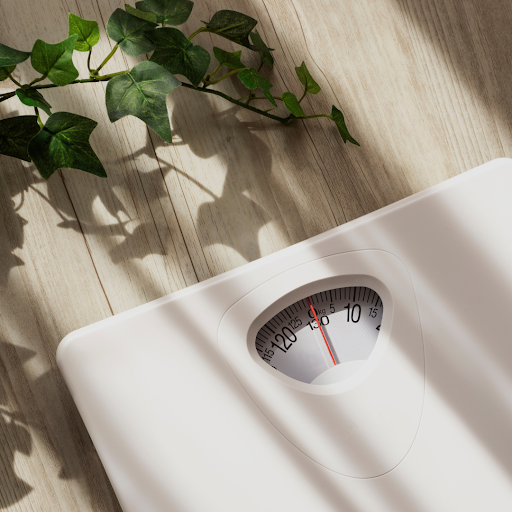
If stepping on the scale feels like a daily ritual that dictates how you eat, move, or feel about yourself…you’re not alone.
For many, especially those recovering from an eating disorder or struggling with disordered eating, the scale becomes less of a tool and more of a trigger.
While the scale may seem useful to track health, the number it shows often tells only a fraction of the story. As an eating disorder dietitian, I’m here to share why ditching the scale can be one of the most powerful steps toward healing your relationship with food, body, and self.
4 Reasons to Ditch the Scale
In our society, it’s no surprise that so many people focus on body weight. We’re constantly told that the number on the scale is the most important measure of health and success. And, while tracking how much you weigh might be helpful for some, for many others it can become harmful, obsessive, or even triggering. Here are four powerful reasons why it might be time to ditch the scale, especially if it’s doing more harm than good for you.
#1: It May Cause Disordered Eating
Weighing yourself can quickly become a harmful habit that drives disordered eating patterns and eating disorder behaviors. That tiny number can influence your entire day from what you eat, how much you move, to how you feel about yourself. For many of my patients, chasing a lower weight leads to restriction, bingeing, or compensatory behaviors. For example, if some patients see the number on the scale rise, they restrict their food intake resulting in binge eating at night. If the scale determines your choices in a negative way, it’s worth pausing to ask: is this helping, or is it hurting?
#2: It Can Lead to Increase Anxiety and Depression
Let’s be real: using scale isn’t usually a neutral experience. It can spark dread before stepping on and spiral after stepping off – especially if the number isn’t what you expected. For those with a history of disordered eating behaviors or body image struggles, this emotional rollercoaster can intensify anxiety and even worsen depressive symptoms. In fact, a 10-year study found that frequent self-weighing was linked to increased depression, weight concerns, and lower self-esteem, especially in young women. Your mental health is just as important as your physical health. If the scale disrupts your peace more than it supports your well-being, it’s time to let it go.
#3: It May Worsen Your Relationship with Your Body and Self
Regularly stepping on the scale may lead to obsessive body checking and constant comparison, making it harder to feel at peace in your body. When your self-worth is tied to a number, even slight fluctuations can feel like failure. Over time, this habit can chip away at body trust and increase feelings of shame or frustration, especially if the number never seems “good enough.”
#4: Weighing Less Doesn’t Equal Health
Health isn’t a number, it’s a dynamic, whole-person experience that includes physical, emotional, and social well-being. And guess what? People can be healthy at a variety of body sizes and you don’t have to make weight loss your main focus. In reality, factors like access to healthcare, safe environments, food security, balanced eating patterns, joyful movement, decreased stress, etc. have a much bigger impact on long-term health outcomes than weight alone. Ditching the scale doesn’t mean giving up on your health, it means redefining what it truly means to care for yourself.

What to Track Instead of Weight
If stepping on the scale has become a daily ritual, or a source of stress, you’re not alone. The good news? There are so many other ways to measure progress that are more supportive, sustainable, and aligned with your overall well-being. Here are a few things you can track that have nothing to do with a number on a scale:
- Energy Levels: Are you feeling more energized throughout the day? Do you have enough fuel to get through your workouts, workdays, or time with your family?
- Sleep Quality: Tracking how rested you feel in the morning can be a powerful sign of how your habits are supporting your health.
- Mood and Mental Health: Are you feeling more emotionally balanced? Less anxious around food or your body? Happier overall? These are huge wins that often go unnoticed.
- Hunger and Fullness Cues: Learning to reconnect with your body’s natural signals is a sign of healing your relationship with food and it’s worth celebrating.
- Strength and Endurance: Are your workouts feeling easier? Are you lifting heavier, walking longer, or simply feeling more capable in your body?
- Fruit and Vegetable Intake: Are you getting a variety of colors on your plate? Increasing your intake of fruits and veggies can boost fiber, antioxidants, and vitamins and minerals without any focus on weight.
- Consistency with Habits: Things like cooking at home more often, practicing joyful movement, or reducing emotional eating can be great signs of progress.
- How You Feel in Your Body: Feeling more comfortable in your clothes, less preoccupied with food or your appearance, or simply feeling more at home in your body – these are signs of real growth.
Frequently Asked Questions
Is weighing yourself every day bad?
Weighing yourself on a daily basis isn’t necessary, and for many people, it causes more harm than good. Your weight naturally fluctuates throughout the day due to things like your period, digestion (yep, just needing to poop), hydration, salty meals, or even eating foods high in carbs. If weighing yourself doesn’t feel triggering, doing it no more than once a week may be a more balanced approach to reduce obsessive thoughts.
Should people with eating disorders have scales?
In most cases, no. Individuals with eating disorders or disordered eating may find that having a scale at home can fuel obsessive behaviors and worsen body image concerns. However, some providers may use blind weighing, a practice where only the provider sees the weight, not the client. This can support clinical care while minimizing emotional distress. But in general, seeing your weight during recovery isn’t helpful or necessary.
When should I use the scale?
If you feel neutral toward your weight and it doesn’t dictate your mood, the scale can sometimes be used as one tool among many to track health changes. However, it’s important to remember that it’s just one small data point, not a full picture of your health. If the number tends to derail your day on a regular basis, it may not be the right tool for you right now (or ever…and that’s okay).
How can I request not to be weighed in the doctor’s office?
You can absolutely advocate for yourself at medical appointments! A simple phrase like, “I prefer not to be weighed unless it’s medically necessary” works well. Many clinics are becoming more aware of weight-inclusive practices, and some even have “don’t weigh me” cards available to hand to staff. Here’s a free one you can print at home!

Final Thoughts: Letting Go of the Scale, Gaining Peace of Mind
At the end of the day, weight is literally just a measure of gravitational pull. It doesn’t tell the full story: about your health, your habits, or who you are as a person. So why let it take up so much space in your mind?
In a society obsessed with weight, choosing to ditch the scale is a radical act of self-trust. It doesn’t mean you’re giving up, it means you’re choosing a different path. One where your worth isn’t defined by a number, but by how you feel in your body and how you care for your well-being.
Ready to take the first step in healing your relationship with food and your body? A Gentle Introduction to Intuitive Eating is coming soon. This 4-week course will help you break free from food guilt, stop the yo-yo dieting cycle, and finally feel more at peace around eating.
Enroll now to get instant access and a special bonus upon completion!
Sign Up Now
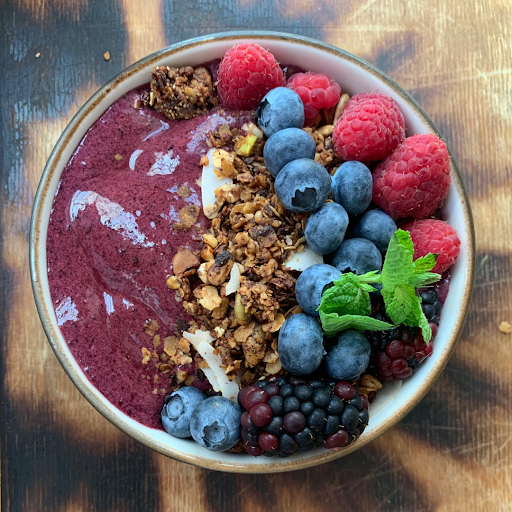
From acai bowls to matcha lattes, it seems like every week there’s a new “superfood” promising to boost your energy, strengthen your immune system, and help you live longer. But are these so-called superfoods really living up to the hype, or is it all just amazing marketing?
In this post, we’ll dive into what actually defines a superfood, explore the science behind their health benefits, break down the myths, and highlight the ones that are truly worth the hype – plus how to incorporate them into your everyday meals without overcomplicating your nutrition.
What Are Superfoods?
The term “superfood” was first used as a marketing slogan in the early 20th century. Around World War I, the United Fruit Company launched a campaign promoting bananas as a cheap, nutritious, and easily digestible food, even publishing pamphlets to highlight their practicality and appeal.
The popularity of the term “superfood” grew rapidly after physicians began promoting bananas as a dietary treatment for conditions like celiac disease and diabetes (spoiler alert: this has since been disproven). One doctor even prescribed a 5 year old a diet of 200 bananas weekly after diagnosing her with celiac disease. These medical endorsements, along with widespread marketing and media coverage, helped bananas earn a reputation as a health food and sparked the banana diet craze (yes, that was actually a thing!).
The term “superfood” gets thrown around a lot, but here’s the truth: it’s not a scientific or regulated phrase. Rather, it’s just commonly used to describe foods that are nutrient-dense: meaning they usually pack a good amount of vitamins, minerals, fiber, antioxidants, and other health-promoting compounds into relatively few calories.
Superfoods can be linked to potential benefits like reduced inflammation, improved heart health, better brain function, and stronger immunity. But here’s the thing: they don’t have to come from a remote mountain or a faraway jungle. Superfoods can be as simple and accessible as blueberries, salmon, chia seeds, and leafy greens: foods you can find at your local grocery store. Research shows these provide concentrated amounts of nutrients your body thrives on. And while nutrient density matters, emotional nourishment matters too…so yes, enjoy that cupcake for wellbeing too!
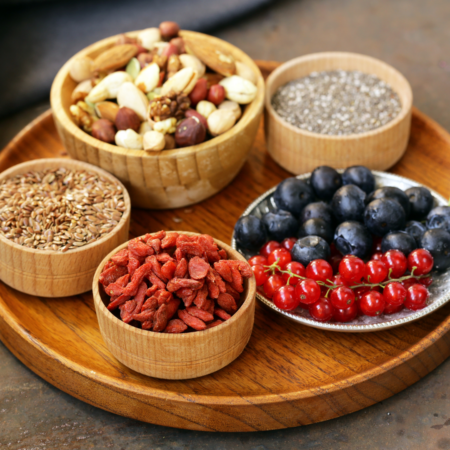
However, just because a food is labeled “super” doesn’t mean it will magically heal any health issues. Furthermore, consuming a handful of goji berries won’t outweigh the importance of overall balanced eating. True, sustainable health comes from combining a variety of nutrient-rich foods, rather than relying on one or two to do all the work.
In other words, superfoods can absolutely support your health, but they’re just ONE piece of the puzzle.

The Science Behind Superfoods: Are There Health Benefits?
As previously mentioned, what makes superfoods stand out is their nutrient density. Many are packed with:
- Antioxidants, which help neutralize free radicals and reduce inflammation
- Vitamins and minerals, essential for immune health, energy, and cellular function
- Fiber and healthy fats, which support digestion, heart health, and balanced blood sugar
The Top Superfoods That Are Worth the Hype
Not all superfoods are created equal, but some do live up to their reputation. These foods are nutrient-dense and supported by research for their role in promoting health:
Blueberries
Packed with antioxidants, especially anthocyanins, blueberries help fight oxidative stress and inflammation. The strong antioxidant capacity of berries is associated with a reduced risk of heart disease, cancer and other inflammatory conditions. They have also been linked to improved brain function and may even regulate blood sugar levels. Plus, they’re easy to add to smoothies, yogurt, or oatmeal.
Chia Seeds
These tiny seeds are rich in omega-3 fatty acids, fiber and plant-based protein. Chia seeds can help support digestion, blood sugar balance, and satiety, making them a great addition to your breakfast or snack. They also absorb liquid and create a gel-like texture, perfect for puddings or thickening smoothies!
Avocado
Avocados are rich in heart-healthy monounsaturated fats, potassium, and fiber. They support cardiovascular health and hormone production. Their creamy texture makes them a versatile choice for both sweet and savory meals.
Salmon
A great source of omega-3s and high-quality protein, salmon helps support brain health, reduces inflammation, and promotes heart health. It’s also rich in vitamin D and selenium, which are often under-consumed nutrients. Opt for wild-caught when possible for optimal nutrient density.
Quinoa
This gluten-free grain is one of the few plant-based sources of complete protein, containing all nine essential amino acids. It’s also high in fiber, iron, magnesium, and B vitamins. Quinoa is incredibly versatile and can be used in place of rice, in salads, or even as a breakfast bowl.
Leafy Greens
Spinach, kale, arugula, and other dark leafy greens are packed with vitamins A, C, and K, as well as folate, iron, and calcium. They support immune health, bone strength, and help reduce inflammation. Additionally, they contain high levels of anti-inflammatory compounds known as carotenoids, which may help protect against certain types of cancer!
Green Tea
Green tea contains powerful antioxidants called catechins, which have been studied for their role in supporting metabolism, reducing inflammation, and protecting the brain. It also contains a modest amount of caffeine and the amino acid L-theanine, which together provide a calm, focused energy.
Turmeric
Turmeric contains curcumin, a compound known for its potent anti-inflammatory and antioxidant properties. While curcumin alone isn’t easily absorbed, pairing it with black pepper enhances its bioavailability. Turmeric is often used for joint support, digestion, and reducing inflammation throughout the body.
Common Superfood Myths: Debunking the Hype
The term superfood might make it seem like certain foods hold magical powers, but let’s clear the air. While many so-called superfoods are nutritious, the marketing buzz can sometimes lead to confusion. Let’s bust some common myths:
Myth 1: Superfoods Can Fix an Unhealthy Diet
Many people think they can “cancel out” poor eating habits by adding a few superfoods into their day. But no single food (not even a trendy one) can undo the effects of an overall imbalanced diet. Long-term health is shaped by your eating patterns over time, not just one food.
Myth 2: If It’s Expensive, It Must Be Better
Superfoods are often marketed with a hefty price tag, but cost doesn’t always reflect quality. You don’t have to buy exotic powders or rare berries to be healthy. Affordable whole foods like whole grains, beans, legumes, fruits and vegetables can be just as nourishing (if not more so) than hyped-up alternatives.
Myth 3: You Need Superfoods to Be Healthy
Nope! While they can be a great addition to your meals, superfoods aren’t essential for good health. You can eat a nutrient-rich, balanced diet without ever buying a “superfood-labeled” item!
In fact, obsessing over any one specific food (or trying to eat “perfectly”) can actually be more damaging to your health.
A healthy relationship with food includes flexibility, joy, and variety. Instead of stressing about the latest trending superfood or hunting down hard-to-find products, aim to build meals that feel satisfying, enjoyable, and doable long-term. That means eating different foods across the week and letting your taste preferences help guide your choices.
Myth 4: Superfoods Work Like Medicine
Although some nutrients in superfoods have been studied for their potential benefits, they aren’t a substitute for medical care. Eating turmeric or drinking green tea won’t cure chronic conditions, but they can complement a healthy lifestyle when used in balance.
Myth 5: More Is Better
It’s easy to fall into the trap of thinking that if a food is healthy, more must be healthier. But even healthy foods can cause problems if you eat too much. For example, eating too much fiber too quickly can upset your stomach, and certain foods can affect how specific medicines works. Moderation and balance are key.
Common Questions About Superfoods
Here are answers to some of the most common questions people have about superfoods:
- Are superfoods really necessary for good health?
Nope, you don’t need expensive superfoods to be healthy. What matters most is an overall balanced eating pattern that includes a variety of fruits, vegetables, whole grains, protein, and healthy fats.
- Do I have to buy organic or exotic superfoods?
Not at all. Local, affordable, frozen and seasonal foods can be just as nutrient-dense! Think: frozen berries, oats, canned beans, or dark leafy greens from your local grocery store or farmers market, all budget-friendly and full of benefits.
- If a food is labeled a “superfood,” does that mean I can eat as much as I want?
Overdoing it (like adding a ton of chia seeds daily) can lead to digestive issues or nutrient imbalances.
- Are superfood supplements better than whole foods?
Generally, no. Whole foods offer a combination of nutrients, fiber, and compounds that work together in ways supplements can’t replicate. Supplements can help in certain cases, but they shouldn’t replace real food.
- Do superfoods cure diseases?
Many superfoods can support overall health, but they’re not a cure. Chronic conditions often require medical care, lifestyle changes, and consistent dietary patterns, not a daily handful of blueberries or a turmeric latte.
Final Thoughts: Do Superfoods Live Up to the Hype?
It’s easy to get swept up in the buzz around superfoods, especially when they’re plastered across magazine covers or trending on social media. But nutrition is never about one magical food. Health is built through consistent, balanced choices over time.
In the end, superfoods may complement your diet, but they shouldn’t distract from the bigger picture: balance, variety, and sustainability. Instead of chasing fads, focus on building balanced meals you enjoy, that nourish your body, and that fit your lifestyle: that’s where the real “super” power lies.
Ready to take the next step? Book a free discovery call and let’s see how I can support you!
Book Your Free 20 Minute Discovery Call Today
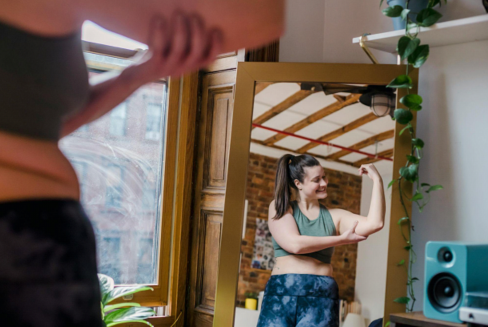
Chances are if you clicked on this blog post you’re in the process of healing your relationship with your body. I get it, this process can feel messy and uncomfortable at times, especially when we’ve spent YEARS being told our worth depends on how we look. The truth is, affirmations won’t magically fix everything, BUT they can be a powerful tool to soften that negative voice in your head, build self-trust, and help you relate to your body with more compassion and care.
Body Positivity vs. Body Neutrality
First off, what is the body positivity movement? This movement started as a way to support people in all kinds of bodies… especially those who haven’t always been included in mainstream beauty ideals. Its core message is that ALL bodies are worthy of love, respect, and celebration, regardless of size, shape, or ability.
The body positivity movement has helped spark important conversations and shift cultural norms. It’s encouraged many people to embrace body diversity, reject narrow beauty standards, and take up space unapologetically. That’s powerful. But for many, especially those navigating eating disorder recovery or years of body shame, the message to “love your body” can feel like just another unrealistic standard.
What is Body Neutrality?
If you don’t feel love for your body right now, you’re not doing anything wrong. You’re human. Body neutrality offers a more realistic and compassionate path. It invites you to focus less on how your body looks and more on what it allows you to do. Instead of forcing love, you can practice respect. You can honor your hunger, rest when you’re tired, and care for your body like it deserves – even if your feelings are complicated.
It’s not about ignoring your struggles or pretending to feel great in your skin every day. It’s about making room for nuance and meeting yourself where you are, even on the hard days.
Benefits of Using Body Neutrality Affirmations
- Improve Body Satisfaction & Self-Esteem: Research shows affirmations can help decrease negative self-talk and improve body satisfaction. In one study, adolescent girls who used affirmations reported feeling less threatened by their shape and weight, and experienced a meaningful increase in body self-esteem.
- May Help Rewire Your Brain: Repeating affirmations activates the parts of your brain associated with self-perception and behavior change. Over time, this shifts how you see and treat yourself.
- Reduce Comparison on Social Media: Affirmations can buffer the harmful effects of idealized imagery, like “fitspiration” content on Instagram.
- Reduce Self-Criticism: Regular practice helps quiet the inner critic and increase body compassion.
- Encourage Positive Behavior Change: Affirmations support motivation by activating parts of the brain tied to self-worth and decision-making.

50 Body Affirmations
If you’re not sure where to start, here are 50 body affirmations grouped into themes to meet you wherever you are in your healing journey.
Self-Care Affirmations
- I deserve to care for my body without guilt or shame.
- My body is worthy of nourishment, rest, and love.
- I don’t have to earn food, movement, or rest.
- I choose to listen to what my body needs today.
- It’s okay to slow down and meet myself with gentleness.
- My worth is not defined by how productive I am.
- Rest is a form of self-care and self-respect.
- Taking care of myself is a radical act of self-love.
Gratitude Affirmations
- I am grateful for all my body allows me to do.
- My body has carried me through hard days.
- Every breath is a reminder of my body’s resilience.
- I’m thankful for the small ways my body shows up for me.
- Even when it’s uncomfortable, my body is doing its best.
- I can feel grateful for my body without needing to love every part.
- I respect what my body has been through.
- My body holds memories, stories, and strength.

Functional Body Affirmations
- My body allows me to connect, laugh, cry, and move.
- My legs carry me where I need to go.
- My hands help me create, do, and express love.
- My body supports me through joy and pain.
- I don’t have to look a certain way to be healthy.
- Health and appearance are not the same thing.
- My worth is not determined by a number on the scale.
- I trust that my body knows what it’s doing.
Mind-Body Affirmations
- I am learning to listen to my body with curiosity.
- My body is not my enemy, it’s my home.
- I trust my body to tell me what it needs.
- I release the need to control how my body looks.
- Healing isn’t linear and that’s okay.
- My feelings about my body are valid, but not facts.
- I am more than my reflection.
- I can show up for myself without perfection.
Body Neutrality and Acceptance Affirmations
- I don’t have to love my body to respect it.
- My body doesn’t need to change to be worthy of kindness.
- It’s okay if I have tough body image days… I can still care for myself.
- My body is allowed to take up space.
- I am not a project to be fixed.
- My appearance does not define my value.
- I can meet myself where I am today.
- My body is not the problem – diet culture is.
Gentle Encouragement Affirmations
- I can hold space for discomfort without judgment.
- I’m doing the best I can, and that’s enough.
- I don’t have to “feel good” in my body to treat it kindly.
- I’m allowed to evolve, change, and grow.
- I choose progress over perfection.
- My healing is not a race and I shouldn’t compare it to anyone else’s journey.
- My relationship with my body will ebb and flow, and that’s normal.
- I am learning to trust myself again.
- I’m not alone on this journey.
- ALL bodies are unique, including mine.

How Should I Use Body Image Affirmations?
There’s no right or wrong way to use affirmations, what matters most is finding a rhythm that feels gentle, realistic, and meaningful to you. Some people find it helpful to repeat affirmations in the mirror each morning. Others prefer to write them down in a journal (or notes app), speak them out loud during a walk, or simply think them quietly throughout the day. Try experimenting with different formats until something clicks.
You might choose a few affirmations that especially resonate and keep them on sticky notes around your home (like on mirrors, the fridge, nightstand, etc.), or set reminders on your phone to see them throughout the day. You can even pair affirmations with habits you already have, like saying one while washing your face or getting dressed.
And if this feels awkward or uncomfortable at first? That’s normal. Keep showing up with curiosity and kindness. Healing your body image is a practice, and affirmations are just one tool to help you build trust and respect along the way.
Final Thoughts About Body Acceptance and Affirmations
If this process feels overwhelming, that’s okay. Healing isn’t something you have to do alone. As a Registered Dietitian specializing in disordered eating and body image, I help patients untangle the noise of diet culture and find a way of eating and living that actually feels good. If you’re ready for individualized support, I’d love to talk!
Book a free discovery call with me here and take the next step toward a more peaceful relationship with food and your body.
Ready to take the next step? Book a free discovery call and let’s see how I can support you!
Book Your Free 20 Minute Discovery Call Today

If you’re navigating recovery from an eating disorder, finding the right support can make all the difference. One of the most important members of your care team is often a registered dietitian nutritionist, someone who understands both the science of nutrition and the emotional complexities of healing your relationship with food.
But what exactly is an eating disorder dietitian, and how do they support recovery? In this post, we’ll break it down so you can feel more confident and informed as you seek compassionate, specialized care.
What is a Registered Dietitian?
A Registered Dietitian (RD) or Registered Dietitian Nutritionist (RDN) is a licensed food and nutrition expert who has completed extensive education and training to support people’s health and well-being. Becoming a dietitian isn’t just about having an interest in nutrition – it requires years of study, supervised experience, and a commitment to ongoing learning.
According to the Academy of Nutrition and Dietetics, to become a Registered Dietitian Nutritionist, a person must:
- Earn a minimum of a master’s degree from an accredited college or university, with coursework approved by the Accreditation Council for Education in Nutrition and Dietetics (ACEND).
- Complete a supervised practice program (specialized training) through an ACEND-accredited Dietetic Internship, Coordinated Program, or Graduate Program.
- Pass a national exam administered by the Commission on Dietetic Registration (CDR).
- Meet state-specific licensure or certification requirements, where applicable.
- Continue professional education throughout their career to stay current with the latest research and recommendations.
This rigorous process ensures that registered dietitians are equipped with both the clinical knowledge and counseling skills needed to guide people through a wide range of nutrition concerns, including eating disorder recovery.

What Is the Difference Between a Nutritionist and a Dietitian?
A Registered Dietitian (RD or RDN) is a legally protected title. As previously mentioned, dietitians must complete a master’s degree, a supervised practice program, and pass a national board exam. They are also required to complete continuing education and follow a professional code of ethics. In many states, dietitians are also licensed healthcare providers.
On the other hand, the term “nutritionist” is not regulated in most states. That means anyone can call themselves a nutritionist…even without formal education or training. While some nutritionists do have solid backgrounds in nutrition science, others may not have any credentials at all.
If you’re looking for evidence-based, individualized care, especially for something as complex as an eating disorder, working with a registered dietitian ensures that you’re getting support from a licensed expert with extensive training in both medical nutrition therapy and counseling.
Why Is it Important to Work with a Registered Dietitian Nutritionist While in Recovery?
Recovering from an eating disorder is a complex process that often involves rebuilding trust with your body, untangling years of diet culture, and learning how to nourish yourself without guilt or fear. That’s where a Registered Dietitian Nutritionist (RDN) comes in.
Dietitians understand how eating disorders impact both the body and mind, and they’re equipped to support you with compassion and evidence-based strategies. Working with an RDN can help you:
- Challenge food fears and rigid rules in a safe, supportive environment.
- Restore your body with regular, balanced meals.
- Understand the “why” behind disordered eating patterns and body image issues.
- Receive individualized care that aligns with your mental, emotional, and physical needs.
- …and more!

The Role of an Eating Disorder Dietitian in Your Recovery Journey
From exploring the root causes of eating behaviors to helping you nourish yourself consistently, their guidance goes far beyond just “what to eat.” Here are a few ways a registered dietitian can support you in building a healthy relationship with food and your body:
Explore the Root Causes of Eating Behaviors and Body Image Issues
An ED dietitian can help you uncover the root causes that influence how you eat and how you feel about your body. This might include past dieting experiences, trauma, rigid food rules, or cultural and family beliefs about weight and worth. Exploring these root causes can help you better understand your patterns and move toward lasting healing.
Help Establish Regular, Nourishing Eating Patterns
One of the first steps in recovery is rebuilding structure and trust around food. A dietitian can support you in creating a personalized meal plan or offer gentle guidance for meals and snacks based on where you are in your recovery. This might include using food logs for reflection (not obsession), providing meal ideas, or helping you stay accountable in a way that feels supportive.
Provide Nutrition Counseling and Education
Your dietitian is here to offer gentle education around nutrition, without the food rules. Together, you’ll build practical skills, explore coping mechanisms, debunk harmful nutrition myths, and learn how to nourish your body in a way that feels good and sustainable. This support is tailored to your needs and paced based on where you’re at in your journey.
Help Improve Your Relationship with Food and Body
Food shouldn’t feel like the enemy, and your body isn’t the problem. An eating disorder dietitian helps you make peace with food and develop a more respectful relationship with your body. Whether that means challenging food fears, letting go of guilt after eating, or exploring body image struggles, you’ll have someone walking beside you through it all.
Provide a Compassionate, Non-Judgmental Space for Healing
You deserve to feel seen, heard, and supported, without shame or pressure. An eating disorder dietitian offers a safe space to share your struggles, ask questions, and be honest about where you’re at. There’s no “right” way to recover, and no expectation that you have it all figured out. This is your space to show up exactly as you are.
Collaborate With Your Treatment Team
Healing from an eating disorder often takes a team, and your dietitian is a key part of that. They’ll work closely with your therapist, physician, or other providers to ensure everyone is on the same page and your care feels cohesive. You shouldn’t have to navigate this alone, and with the right support system in place, recovery becomes wayyy more doable (and a little less overwhelming).
Need More Support in Your Eating Disorder Recovery Journey?
Healing your relationship with food and your body is not something you have to figure out alone. If you or a loved one are ready to work with an eating disorder dietitian who truly understands the emotional and physical layers of recovery, I’m here to help!
Ready to take the next step? Book a free discovery call and let’s see how I can support you!
Book Your Free 20 Minute Discovery Call Today

In diet and wellness culture, sugar has become the villain of choice, blamed for everything from “obesity” to “addiction”. However, the science behind sugar’s supposed dangers is filled with contradictions, unsupported claims, and misconceptions. This blog post will help you understand the truth behind the sweet-tasting, soluble carbohydrate (sugar).
Science & Misconceptions About Sugar
Sugar and “Addiction”
- Sugar is often labeled as addictive, but research does not support true addiction mechanisms.
- Studies show addiction-like behaviors emerge when sugar is restricted, not when it’s freely available.
- In animal studies, rodents only showed compulsive behavior around sugar when access was intermittent and preceded by restriction.
- The feeling of being out of control with sugar is usually a psychological rebound from restriction, not evidence of neurochemical addiction.
- Being unable to stop eating a cookie does not equate to the compulsive, criminal, or health-destroying behaviors seen with drugs like heroin or cocaine.
- You cannot be addicted to something necessary to sustain life. Have you ever heard of someone’s debilitating addiction to water or fresh air?
The Contradictory Arguments Against Sugar
- Sugar = “empty calories” (not inherently harmful, just not nutritious).
- Sugar is a toxic, metabolically damaging substance, similar to poison.
- These claims contradict each other but are often used together to vilify sugar.
- Simplistic “sugar = bad” messaging ignores the complexity of health and nutrition.
Sugar, Health Outcomes, and Scientific Uncertainty
- Associations between sugar and diseases are correlational, not causal.
- Many studies fail to account for factors like poverty, stress, or food insecurity.
- Sugar is rarely consumed in isolation—context matters.
Sugar and Type 2 Diabetes
- Many studies find no significant link between added sugar and type 2 diabetes.
- A U-shaped risk curve suggests that both ultra-low and ultra-high intakes may increase risk.
- Moderate consumption shows lowest risk.
- Binge/restriction cycles may mediate elevated risk in extreme groups.

Psychological & Behavioral Impacts
Restriction and Binge Cycles
- Restricting sugar increases cravings and binge-like behaviors.
- These are symptoms of disordered eating, not addiction.
Forbidden Fruit Effect
The more sugar is restricted or demonized, the more desirable it becomes. Once the restriction ends, the body may overcompensate, consuming more sugar to make up for what was lost. This isn’t sabotage—it’s protection.
The Power of Perception on Physiology
- Blood sugar spikes can result from expectations, not actual sugar content.
- People who thought they drank a sugary beverage showed a greater glucose response—even when the drink was the same.
- This is especially true for those who eat based on external cues like calorie counting.
Cultural & Political Context
UK Policy and Sugar Panic
- Sugar panic rose alongside austerity and public health messaging failures.
- Framed as a moral issue, not a systemic one.
- “Strivers” avoided sugar; “skivers” consumed it and were blamed.
- This narrative reinforces discrimination and distracts from real issues like poverty and access to healthcare.
Food Industry & Marketing Tactics
- Sugar-free products are marketed as “wellness” items, despite lacking nutritional advantage.
- Soft drink companies reformulate to avoid sugar taxes but still sell original products.
Gender, Class & Labor
- Cutting out sugar often adds mental load, label-reading, and meal prep burden.
- Women, especially mothers, are most impacted by these unpaid tasks.
Class-Based Double Standards
- Middle-class women praised for moderation; lower-income women shamed for same behavior.
- “Sugar-free” options are more expensive and signal privilege.
- No one shames someone for eating a mango—even though it has more sugar than a soda.
Emotional & Social Meaning of Sugar
- Sugar plays a key role in celebration, culture, emotion, and connection.
- Demonizing sugar reduces food to function and erases joy.

Empowerment or Control? Diet Culture Marketing Tactics
Modern anti-sugar programs claim to be “empowering” or “not diets” while still reinforcing food rules and shame. They moralize sugar and turn food into a battleground.
Have I Mentioned We Need Sugar to Live?
Glucose is the brain’s main fuel. Though it makes up just 2% of your body weight, your brain uses 20% of your daily energy—most of it from sugar. This isn’t indulgence; it’s biology.
If you’re struggling with sugar restriction or disordered eating, contact me today to schedule your free discovery call.
Book Your Free 20 Minute Discovery Call Today

Not everyone who struggles with food fits the mold people expect. The signs aren’t always obvious, and the experiences don’t always line up with a textbook definition. But that doesn’t make these challenges any less real, or any less serious. I’ve had countless conversations with individuals who felt like they were “not sick enough” to get help. The truth is, eating disorders come in many forms, and all of them deserve attention. In this blog, I’ll walk you through some of the most common questions I’ve heard over the years in my work as a dietitian. I hope it helps bring a little clarity and maybe even a bit of comfort.
Anorexia
Is There a Difference Between Anorexia and Anorexia Nervosa?
People often use “anorexia” to refer to appetite loss in general, but “anorexia nervosa” is a distinct and severe mental health condition. Anorexia nervosa is not just about wanting to be thin; this eating disorder can combine a need for control with anxiety and deep emotional distress around food and body image. Individuals can struggle with anorexia nervosa regardless of how they look; this illness doesn’t discriminate by size or shape.
Did You Know? There are other types of anorexia-related conditions, like anorexia-cachexia syndrome, which involves appetite loss from chronic illness.
Bulimia Nervosa
Is Bulimia the Same as Binge Eating Disorder?
Bulimia includes episodes of consuming large quantities of food, often quickly and secretly. What sets it apart from binge eating disorder is the follow-up, which includes purging, restricting, or pushing the body to extremes to try to “make up” for the eating.
As I just mentioned, these behaviors can be incredibly private. Many people with bulimia appear “fine” to others while dealing with intense shame and physical stress.

Binge Eating Disorder (BED)
What Makes BED Different From Overeating?
Binge eating disorder involves eating large amounts of food in a way that feels overwhelming or out of control. It’s not just about eating “too much”, which we all do from time to time. BED typically incorporates a strong emotional component, like guilt, numbness, or self-blame, felt afterward.
Unlike bulimia, there aren’t compensatory behaviors like purging after binge episodes.
Remember, if you ever feel trapped in a cycle with food, it’s not a lack of willpower. It’s a signal that you deserve support and compassion.
Avoidant/Restrictive Food Intake Disorder (ARFID)
Is ARFID The Same as Picky Eating?
ARFID goes far beyond picky eating as it can cause significant disruptions in health, nutrition, and daily life. People with ARFID might avoid food because of sensory issues, past trauma, or fear of getting sick, not necessarily because of weight concerns.
Did You Know? ARFID commonly overlaps with conditions like anxiety, depression, or neurodivergence.
Struggling to eat enough doesn’t make you “dramatic” or “difficult.” There are real reasons and real ways to get support.
Other Specified Feeding or Eating Disorder (OSFED)
What Makes OSFED Different From General Disordered Eating?
OSFED is a diagnosis for people who suffer from disordered eating patterns that don’t neatly fit into diagnoses like anorexia, bulimia, or BED. Some examples include purging without bingeing, or having all the signs of anorexia while still falling within a so-called “normal” weight range.
Not everything has a clear-cut diagnosis. The impact of OSFED is just as significant as other eating disorders, and this condition is equally deserving of treatment and support.
Disordered Eating
Is Disordered Eating a Normal Part of Living in Today’s Diet-Centered Culture?
While disordered eating refers to a wide range of abnormal eating behaviors that do not necessarily meet the criteria for a formal diagnosis, it still negatively affects physical and mental well-being.
In a society that’s become obsessed with dieting and body size, unhealthy relationships with food have become disturbingly common. Influencers and other media outlets are constantly labeling certain foods and ingredients as “bad” and criticizing or shaming people of certain body types. This has led a substantial number of people to develop disordered eating habits, especially in the US.

Pica
What Makes Pica Different Than a Craving?
Pica involves eating non-food items, such as paper, dirt, or chalk, whereas cravings involve eating food items like chocolate. This eating disorder is typically diagnosed after a month or more of continuing this habit. These urges may be linked to nutrient deficiencies, stress, or developmental conditions. Pica can lead to serious medical complications and is much more serious than a food craving.
Rumination Disorder
Is Rumination Disorder Genetic?
Rumination disorder involves regurgitating food after eating and can affect people of any age. It typically happens without nausea, which is part of what makes it so confusing and often misunderstood. Based on scientific data, rumination disorder is not currently considered a genetic disorder. It may be behavioral or developmental, sometimes linked to neglect, sensory processing issues, or learned patterns of behavior.
Orthorexia (not currently in the DSM)
Is Orthorexia Just “Healthy” Eating?
Orthorexia, or orthorexia nervosa, is an unhealthy obsession with eating in a way that’s considered “pure,” “clean,” or “healthy.” Unlike other eating disorders that often focus on weight or appearance, orthorexia is driven by a need for control, perfection, or safety through food choices.
Orthorexia often hides behind the idea of eating “the right way.” It doesn’t start with fear; it begins with “good” intentions. Maybe it’s cutting out sugar, skipping processed foods, or following a “clean” eating plan. However, over time, the rules accumulate. Foods that used to feel safe suddenly don’t. Meals turn into something stressful. A missed workout or a snack outside the usual plan brings on guilt or anxiety. Orthorexia isn’t about vanity; it’s about control disguised as health. When the goal of being healthy begins to take away your joy, your time with others, or your peace of mind, it’s worth looking at what’s really going on.
Night Eating Syndrome
How Is Night Eating Syndrome Different From Binge Eating Disorder?
With night eating syndrome (NES), most eating episodes happen late at night or shortly after waking, unlike binge eating disorder, which can occur at any time. NES often coincides with insomnia, depression, or anxiety. NES eating patterns may feel automatic, disrupting sleep and regular eating habits.
Purging Disorder
What Makes Purging Disorder Different From Bulimia?
Purging disorder involves purging behaviors like vomiting or laxative use without the binge episodes that are typical of bulimia. While the fear of gaining weight is still central, the eating patterns may appear more controlled. Purging disorder is often overlooked or misunderstood, but the health risks can be serious.

Getting the Support You Deserve
Food is a personal thing. It can be tied to memories, routines, stress, or identity. So, when your eating patterns start feeling off, it can be hard to know what to do next, or even what to call it. You don’t have to figure it out alone. If you want to talk through what’s been going on or just get a sense of whether this kind of support might help, feel free to schedule a discovery call. No scripts, no pressure, just a real conversation.
Book Your Free 20 Minute Discovery Call Today

Everyone has their own definition of intermittent fasting. Some people fast for 16 hours, eating only within an 8-hour window daily, some eat one meal a day, and others may skip an entire day of meals weekly. There are plenty of ways to intermittently fast; however, that’s not what I’ll be focusing on. The fact is: intermittent fasting puts your physiological regulatory controls in limbo. By deliberately withholding nourishment, you jolt your body’s internal processes onto a roller coaster, forcing them to adapt to irregular and unpredictable nutrient intake.
Intermittent Fasting in America
Over the years, intermittent fasting has grown in popularity with little to no backing from the scientific community. By forcing your body into feast or famine mode, the subsequent dysregulation of lab levels and nutrients puts people at risk both physically and mentally.
Early 1900s
- Physicians promote fasting as a natural cure for various ailments without research to back up their claims
- Books like The Fasting Cure by Upton Sinclair bring fasting into public health conversations (originally appeared in Cosmopolitan Magazine)
Mid-20th Century
- Researchers begin exploring fasting in relation to metabolism and “obesity”
- Interest remains limited to alternative health circles
2012
- BBC documentary Eat, Fast and Live Longer introduces the 5:2 diet to a mainstream audience
- Publication of The Fast Diet by Michael Mosley boosts intermittent fasting’s popularity
2014–2016
- Silicon Valley and wellness influencers promote fasting for productivity and longevity
- YouTube and Instagram amplify the trend with biohacking claims
2018–2020
- Intermittent fasting goes mainstream in diet culture
- Popularized for its unfounded promises of weight loss and anti-aging
2020–2023
- Among the most searched diet trends
- Apps and influencers incorporate fasting into wellness routines
- Scientific community raises concerns over psychological and hormonal risks
2024 to the Present
- Major study finds a 91% higher risk of cardiovascular death for individuals on an 8-hour eating pattern
- Growing public and professional scrutiny of intermittent fasting’s safety and effectiveness
Popularized Intermittent Fasting Methods
- 16:8 Method
- 14:10 Method
- 5:2 Diet
- Alternate-Day Fasting (ADF)
- Eat-Stop-Eat
- One Meal a Day (OMAD)
- The Warrior Diet
- Spontaneous Meal Skipping
- Fasting-Mimicking Diet (FMD)

Negative Effects of Intermittent Fasting
Physical Side Effects
- Hunger pangs and irritability
- Fatigue and low energy
- Headaches and dizziness
- Digestive issues (bloating, constipation)
- Bad breath (ketosis-related halitosis)
- Dehydration and excessive urination
- Sleep disturbances
Hormonal & Reproductive Health Risks
- Disruption of gonadotropin-releasing hormone (GnRH)
- Hypothalamic amenorrhea in women
- Reduced leptin and fertility risks
- 20–30% drop in hormone secretion even after short-term restriction
- Impact on thyroid function and bone density loss
Mental & Emotional Health Concerns
- Rigid, obsessive thinking about food
- Increased risk of binge eating
- Feelings of guilt, shame, or anxiety over “failing” to fast
- Worsening of body dissatisfaction and disordered eating
Increased Risk of Disordered Eating and Eating Disorders
- Fasting is a form of disordered eating when hunger cues are ignored
- Commonly leads to binge-restrict cycles
- Can trigger or worsen anorexia, bulimia, or binge eating disorder

Metabolic and Cardiovascular Risks
Metabolic Risks
- Reduced resting metabolic rate
- Increased cortisol production
Cardiovascular Risks
- 2024 study: 91% higher risk of cardiovascular death with 8-hour eating window
- No proven increase in lifespan from fasting
- Hypoglycemia risk, especially for diabetics

Nutrient Deficiency & Undernourishment
- Restrictive windows reduce nutrient intake
- Hard to meet daily needs (fiber, vitamins, protein)
- Potential muscle loss without sufficient protein
Lack of Long-Term Research
- Studies are often short-term and small-scale
- Focused on metabolic effects, not mental or hormonal outcomes
- Long-term safety remains unclear
Lifestyle Limitations
- Disrupts social eating and meal flexibility
- Stress around schedules, travel, and holidays
- Life may begin to revolve around eating windows

Trust Your Body’s Natural Rhythms
Your diet doesn’t need to be confusing or complex. Your body isn’t a stopwatch. Over time, diet culture teaches us to ignore the natural rhythms of our physiology that we depend on to keep us healthy. By expecting it to start, stop, and perform on command, we are actually encouraging disordered eating, dysregulation, and other states of ill health.
If you are struggling with intermittent fasting or any other challenges, Kindred Nutrition Co. is here for you. Contact me today at to schedule a discovery call.
Book Your Free 20 Minute Discovery Call Today