Superfoods: Are They Worth The Hype?
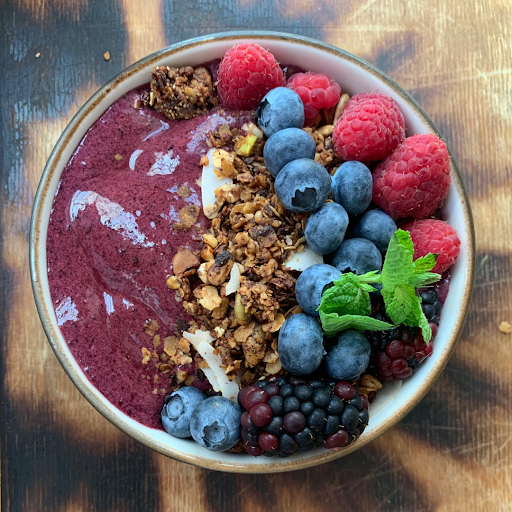
From acai bowls to matcha lattes, it seems like every week there’s a new “superfood” promising to boost your energy, strengthen your immune system, and help you live longer. But are these so-called superfoods really living up to the hype, or is it all just amazing marketing?
In this post, we’ll dive into what actually defines a superfood, explore the science behind their health benefits, break down the myths, and highlight the ones that are truly worth the hype – plus how to incorporate them into your everyday meals without overcomplicating your nutrition.
What Are Superfoods?
The term “superfood” was first used as a marketing slogan in the early 20th century. Around World War I, the United Fruit Company launched a campaign promoting bananas as a cheap, nutritious, and easily digestible food, even publishing pamphlets to highlight their practicality and appeal.
The popularity of the term “superfood” grew rapidly after physicians began promoting bananas as a dietary treatment for conditions like celiac disease and diabetes (spoiler alert: this has since been disproven). One doctor even prescribed a 5 year old a diet of 200 bananas weekly after diagnosing her with celiac disease. These medical endorsements, along with widespread marketing and media coverage, helped bananas earn a reputation as a health food and sparked the banana diet craze (yes, that was actually a thing!).
The term “superfood” gets thrown around a lot, but here’s the truth: it’s not a scientific or regulated phrase. Rather, it’s just commonly used to describe foods that are nutrient-dense: meaning they usually pack a good amount of vitamins, minerals, fiber, antioxidants, and other health-promoting compounds into relatively few calories.
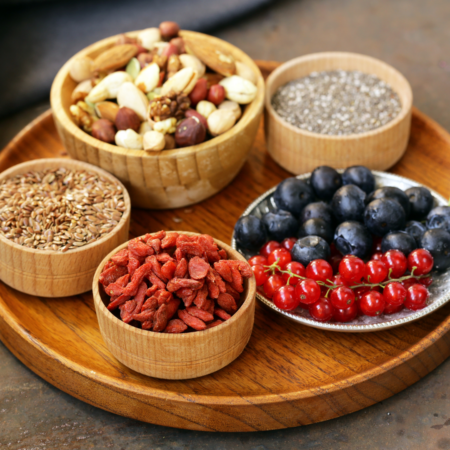
Superfoods can be linked to potential benefits like reduced inflammation, improved heart health, better brain function, and stronger immunity. But here’s the thing: they don’t have to come from a remote mountain or a faraway jungle. Superfoods can be as simple and accessible as blueberries, salmon, chia seeds, and leafy greens: foods you can find at your local grocery store. Research shows these provide concentrated amounts of nutrients your body thrives on. And while nutrient density matters, emotional nourishment matters too…so yes, enjoy that cupcake for wellbeing too!
However, just because a food is labeled “super” doesn’t mean it will magically heal any health issues. Furthermore, consuming a handful of goji berries won’t outweigh the importance of overall balanced eating. True, sustainable health comes from combining a variety of nutrient-rich foods, rather than relying on one or two to do all the work.
In other words, superfoods can absolutely support your health, but they’re just ONE piece of the puzzle.

The Science Behind Superfoods: Are There Health Benefits?
As previously mentioned, what makes superfoods stand out is their nutrient density. Many are packed with:
- Antioxidants, which help neutralize free radicals and reduce inflammation
- Vitamins and minerals, essential for immune health, energy, and cellular function
- Fiber and healthy fats, which support digestion, heart health, and balanced blood sugar
The Top Superfoods That Are Worth the Hype
Not all superfoods are created equal, but some do live up to their reputation. These foods are nutrient-dense and supported by research for their role in promoting health:
Blueberries
Packed with antioxidants, especially anthocyanins, blueberries help fight oxidative stress and inflammation. The strong antioxidant capacity of berries is associated with a reduced risk of heart disease, cancer and other inflammatory conditions. They have also been linked to improved brain function and may even regulate blood sugar levels. Plus, they’re easy to add to smoothies, yogurt, or oatmeal.
Chia Seeds
These tiny seeds are rich in omega-3 fatty acids, fiber and plant-based protein. Chia seeds can help support digestion, blood sugar balance, and satiety, making them a great addition to your breakfast or snack. They also absorb liquid and create a gel-like texture, perfect for puddings or thickening smoothies!
Avocado
Avocados are rich in heart-healthy monounsaturated fats, potassium, and fiber. They support cardiovascular health and hormone production. Their creamy texture makes them a versatile choice for both sweet and savory meals.
Salmon
A great source of omega-3s and high-quality protein, salmon helps support brain health, reduces inflammation, and promotes heart health. It’s also rich in vitamin D and selenium, which are often under-consumed nutrients. Opt for wild-caught when possible for optimal nutrient density.
Quinoa
This gluten-free grain is one of the few plant-based sources of complete protein, containing all nine essential amino acids. It’s also high in fiber, iron, magnesium, and B vitamins. Quinoa is incredibly versatile and can be used in place of rice, in salads, or even as a breakfast bowl.
Leafy Greens
Spinach, kale, arugula, and other dark leafy greens are packed with vitamins A, C, and K, as well as folate, iron, and calcium. They support immune health, bone strength, and help reduce inflammation. Additionally, they contain high levels of anti-inflammatory compounds known as carotenoids, which may help protect against certain types of cancer!
Green Tea
Green tea contains powerful antioxidants called catechins, which have been studied for their role in supporting metabolism, reducing inflammation, and protecting the brain. It also contains a modest amount of caffeine and the amino acid L-theanine, which together provide a calm, focused energy.
Turmeric
Turmeric contains curcumin, a compound known for its potent anti-inflammatory and antioxidant properties. While curcumin alone isn’t easily absorbed, pairing it with black pepper enhances its bioavailability. Turmeric is often used for joint support, digestion, and reducing inflammation throughout the body.
Common Superfood Myths: Debunking the Hype
The term superfood might make it seem like certain foods hold magical powers, but let’s clear the air. While many so-called superfoods are nutritious, the marketing buzz can sometimes lead to confusion. Let’s bust some common myths:
Myth 1: Superfoods Can Fix an Unhealthy Diet
Many people think they can “cancel out” poor eating habits by adding a few superfoods into their day. But no single food (not even a trendy one) can undo the effects of an overall imbalanced diet. Long-term health is shaped by your eating patterns over time, not just one food.
Myth 2: If It’s Expensive, It Must Be Better
Superfoods are often marketed with a hefty price tag, but cost doesn’t always reflect quality. You don’t have to buy exotic powders or rare berries to be healthy. Affordable whole foods like whole grains, beans, legumes, fruits and vegetables can be just as nourishing (if not more so) than hyped-up alternatives.
Myth 3: You Need Superfoods to Be Healthy
Nope! While they can be a great addition to your meals, superfoods aren’t essential for good health. You can eat a nutrient-rich, balanced diet without ever buying a “superfood-labeled” item!
In fact, obsessing over any one specific food (or trying to eat “perfectly”) can actually be more damaging to your health.
A healthy relationship with food includes flexibility, joy, and variety. Instead of stressing about the latest trending superfood or hunting down hard-to-find products, aim to build meals that feel satisfying, enjoyable, and doable long-term. That means eating different foods across the week and letting your taste preferences help guide your choices.
Myth 4: Superfoods Work Like Medicine
Although some nutrients in superfoods have been studied for their potential benefits, they aren’t a substitute for medical care. Eating turmeric or drinking green tea won’t cure chronic conditions, but they can complement a healthy lifestyle when used in balance.
Myth 5: More Is Better
It’s easy to fall into the trap of thinking that if a food is healthy, more must be healthier. But even healthy foods can cause problems if you eat too much. For example, eating too much fiber too quickly can upset your stomach, and certain foods can affect how specific medicines works. Moderation and balance are key.
Common Questions About Superfoods
Here are answers to some of the most common questions people have about superfoods:
- Are superfoods really necessary for good health?
Nope, you don’t need expensive superfoods to be healthy. What matters most is an overall balanced eating pattern that includes a variety of fruits, vegetables, whole grains, protein, and healthy fats. - Do I have to buy organic or exotic superfoods?
Not at all. Local, affordable, frozen and seasonal foods can be just as nutrient-dense! Think: frozen berries, oats, canned beans, or dark leafy greens from your local grocery store or farmers market, all budget-friendly and full of benefits. - If a food is labeled a “superfood,” does that mean I can eat as much as I want?
Overdoing it (like adding a ton of chia seeds daily) can lead to digestive issues or nutrient imbalances. - Are superfood supplements better than whole foods?
Generally, no. Whole foods offer a combination of nutrients, fiber, and compounds that work together in ways supplements can’t replicate. Supplements can help in certain cases, but they shouldn’t replace real food. - Do superfoods cure diseases?
Many superfoods can support overall health, but they’re not a cure. Chronic conditions often require medical care, lifestyle changes, and consistent dietary patterns, not a daily handful of blueberries or a turmeric latte.
Final Thoughts: Do Superfoods Live Up to the Hype?
It’s easy to get swept up in the buzz around superfoods, especially when they’re plastered across magazine covers or trending on social media. But nutrition is never about one magical food. Health is built through consistent, balanced choices over time.
In the end, superfoods may complement your diet, but they shouldn’t distract from the bigger picture: balance, variety, and sustainability. Instead of chasing fads, focus on building balanced meals you enjoy, that nourish your body, and that fit your lifestyle: that’s where the real “super” power lies.
Ready to take the next step? Book a free discovery call and let’s see how I can support you!