Diet Culture – The Truth Behind Intermittent Fasting
Everyone has their own definition of intermittent fasting. Some people fast for 16 hours, eating only within an 8-hour window daily, some eat one meal a day, and others may skip an entire day of meals weekly. There are plenty of ways to intermittently fast; however, that’s not what I’ll be focusing on. The fact is: intermittent fasting puts your physiological regulatory controls in limbo. By deliberately withholding nourishment, you jolt your body’s internal processes onto a roller coaster, forcing them to adapt to irregular and unpredictable nutrient intake.
Intermittent Fasting in America
Over the years, intermittent fasting has grown in popularity with little to no backing from the scientific community. By forcing your body into feast or famine mode, the subsequent dysregulation of lab levels and nutrients puts people at risk both physically and mentally.
Early 1900s
- Physicians promote fasting as a natural cure for various ailments without research to back up their claims
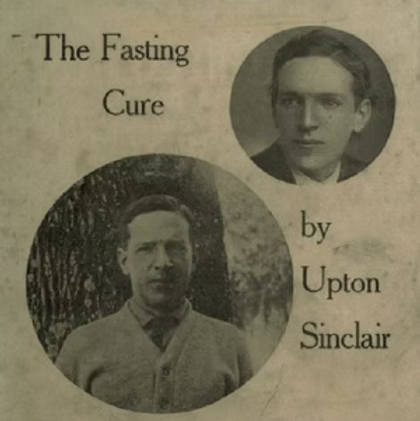
- Books like The Fasting Cure by Upton Sinclair bring fasting into public health conversations (originally appeared in Cosmopolitan Magazine)
Mid-20th Century
- Researchers begin exploring fasting in relation to metabolism and “obesity”
- Interest remains limited to alternative health circles
2012
- BBC documentary Eat, Fast and Live Longer introduces the 5:2 diet to a mainstream audience
- Publication of The Fast Diet by Michael Mosley boosts intermittent fasting’s popularity
2014–2016
- Silicon Valley and wellness influencers promote fasting for productivity and longevity
- YouTube and Instagram amplify the trend with biohacking claims
2018–2020
- Intermittent fasting goes mainstream in diet culture
- Popularized for its unfounded promises of weight loss and anti-aging
2020–2023
- Among the most searched diet trends
- Apps and influencers incorporate fasting into wellness routines
- Scientific community raises concerns over psychological and hormonal risks
2024 to the Present
- Major study finds a 91% higher risk of cardiovascular death for individuals on an 8-hour eating pattern
- Growing public and professional scrutiny of intermittent fasting’s safety and effectiveness
Popularized Intermittent Fasting Methods
- 16:8 Method
- 14:10 Method
- 5:2 Diet
- Alternate-Day Fasting (ADF)
- Eat-Stop-Eat
- One Meal a Day (OMAD)
- The Warrior Diet
- Spontaneous Meal Skipping
- Fasting-Mimicking Diet (FMD)

Negative Effects of Intermittent Fasting
Physical Side Effects
- Hunger pangs and irritability
- Fatigue and low energy
- Headaches and dizziness
- Digestive issues (bloating, constipation)
- Bad breath (ketosis-related halitosis)
- Dehydration and excessive urination
- Sleep disturbances
Hormonal & Reproductive Health Risks
- Disruption of gonadotropin-releasing hormone (GnRH)
- Hypothalamic amenorrhea in women
- Reduced leptin and fertility risks
- 20–30% drop in hormone secretion even after short-term restriction
- Impact on thyroid function and bone density loss
Mental & Emotional Health Concerns
- Rigid, obsessive thinking about food
- Increased risk of binge eating
- Feelings of guilt, shame, or anxiety over “failing” to fast
- Worsening of body dissatisfaction and disordered eating
Increased Risk of Disordered Eating and Eating Disorders
- Fasting is a form of disordered eating when hunger cues are ignored
- Commonly leads to binge-restrict cycles
- Can trigger or worsen anorexia, bulimia, or binge eating disorder

Metabolic and Cardiovascular Risks
Metabolic Risks
- Reduced resting metabolic rate
- Increased cortisol production
Cardiovascular Risks
- 2024 study: 91% higher risk of cardiovascular death with 8-hour eating window
- No proven increase in lifespan from fasting
- Hypoglycemia risk, especially for diabetics

Nutrient Deficiency & Undernourishment
- Restrictive windows reduce nutrient intake
- Hard to meet daily needs (fiber, vitamins, protein)
- Potential muscle loss without sufficient protein
Lack of Long-Term Research
- Studies are often short-term and small-scale
- Focused on metabolic effects, not mental or hormonal outcomes
- Long-term safety remains unclear
Lifestyle Limitations
- Disrupts social eating and meal flexibility
- Stress around schedules, travel, and holidays
- Life may begin to revolve around eating windows
Trust Your Body’s Natural Rhythms
Your diet doesn’t need to be confusing or complex. Your body isn’t a stopwatch. Over time, diet culture teaches us to ignore the natural rhythms of our physiology that we depend on to keep us healthy. By expecting it to start, stop, and perform on command, we are actually encouraging disordered eating, dysregulation, and other states of ill health.
If you are struggling with intermittent fasting or any other challenges, Kindred Nutrition Co. is here for you. Contact me today at to schedule a discovery call.